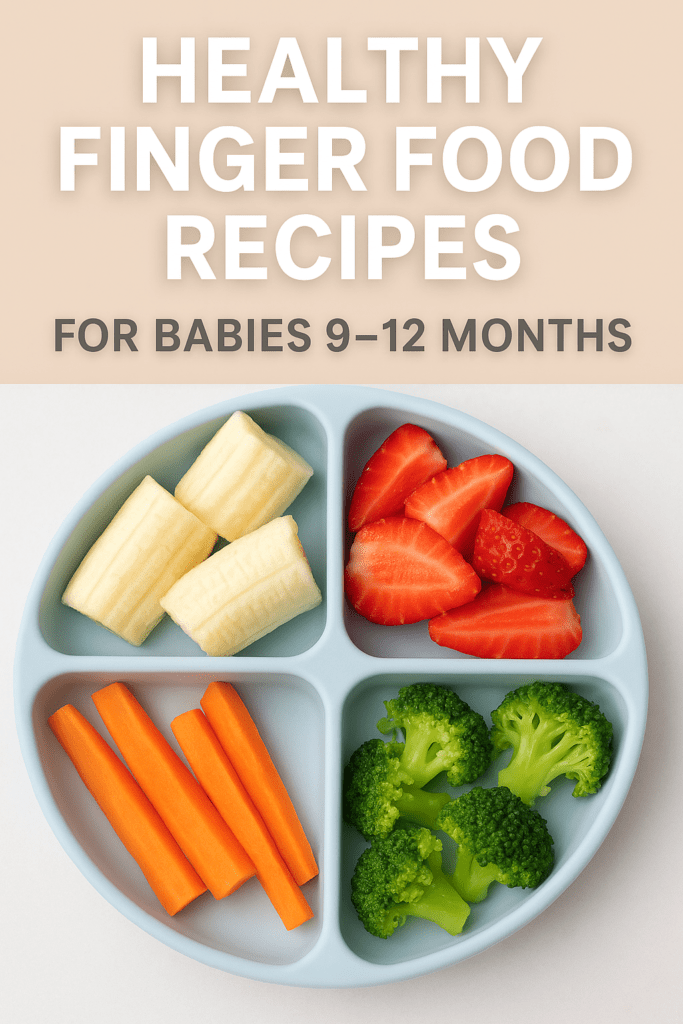
Introducing finger foods to your 9–12-month-old baby is an exciting milestone that builds independence, encourages self-feeding, and supports healthy eating habits. At this age, babies are curious eaters who love exploring new textures, colors, and flavors. This guide from themomandkids.com is packed with detailed, safe, and nutrition-focused finger food ideas to help parents confidently support their child’s eating journey.
Whether you’re trying baby-led weaning (BLW) or transitioning from purees, the finger food recipes here are designed to be simple, wholesome, and developmentally appropriate. With the right approach, mealtime becomes easier, more enjoyable, and full of learning opportunities for your little one.
Why Finger Foods Are Important for Babies 9–12 Months
Finger foods play a major role in your baby’s overall development between 9 and 12 months. At this age, babies start strengthening their pincer grasp—using their thumb and forefinger to pick up food. This skill allows them to self-feed and explore food independently, which boosts confidence and motor control. Introducing finger foods early also helps babies transition from mashed foods to table foods, making the shift to family meals smoother.
Finger foods support sensory development as well. Babies get to feel different textures (soft, mushy, slightly firm), smell new aromas, and hear the crunch of gently cooked veggies. Each bite becomes a learning experience. Since finger foods encourage slow chewing and swallowing, they also promote oral motor development. Babies learn to move food around their mouths, chew properly, and develop stronger jaw muscles.
Moreover, offering finger foods helps reduce picky eating as your baby grows. Exposing them to a wide variety of foods teaches them to accept new tastes. It also supports a positive feeding environment, where babies feel in control and engaged. When finger foods are introduced safely and properly, they create a strong foundation for lifelong healthy eating habits.
Signs Your Baby Is Ready for Finger Foods
Before offering finger foods, it’s important to make sure your baby is developmentally ready. Most babies show these signs between 8 and 9 months, but readiness can vary.
Developmental Cues to Check
Look for these key indicators:
- Your baby can sit without support.
- They show interest in what you’re eating.
- They can pick up objects using their thumb and forefinger.
- They can bring food to their mouths independently.
- They can chew or mash food with their gums.
Safety Considerations
Always introduce finger foods carefully. Ensure foods are soft enough to squish between your fingers. Cut them into baby-safe shapes to prevent choking. Avoid small round foods unless they are mashed or cut lengthwise. Supervise your baby closely during meals, and never offer finger foods while they are lying down or walking.
Nutritional Needs of 9–12 Month Old Babies
At this stage, babies need nutrient-dense foods to support their rapid growth, brain development, and increasing energy needs. Finger foods are a great way to introduce balanced nutrition through real, whole ingredients.
Key Nutrients to Include
- Iron: Crucial for brain development (found in eggs, chicken, lentils).
- Protein: Supports growth and muscle development.
- Healthy fats: Essential for brain development (avocado, nut butters—thinned).
- Carbohydrates: Provide energy for active babies.
- Fiber: Supports digestion and prevents constipation.
- Vitamins A, C, D & B: Necessary for immune function and body development.
Safe Food Textures and Sizes
Finger foods should be soft, easy to chew, and cut into shapes that prevent choking:
- Lengthwise strips the size of your finger
- Small bite-sized cubes once pincer grasp improves
- Soft-cooked vegetables and fruits
- Moist, tender proteins
Best Practices for Introducing Finger Foods
Proper preparation ensures safety and a smoother feeding experience.
How to Cut and Serve Foods Safely
- Slice foods into thin strips for easier grasping.
- Steam or roast vegetables until soft.
- Remove skins or seeds if needed.
- Offer one new food at a time.
Feeding Schedule and Portion Ideas
Babies 9–12 months typically eat:
- 3 meals + 1–2 snacks daily
- Offer 2–3 tablespoons per food group
- Let your baby decide how much to eat
Variety is key to reducing picky behavior later.
Soft Fruit Finger Foods
Here are nutritious, simple fruits perfect for finger feeding.
Banana Sticks: Slice bananas into long, easy-to-grab pieces. They are soft, full of potassium, and mess-free.
Steamed Apple Slices: Lightly steam apples until soft and slice them thinly to avoid choking.
Pear Cubes: Ripe pears are naturally soft and juicy. Cut into small cubes or strips.
Vegetable Finger Foods
Carrot Sticks: Steam or boil carrots until soft enough to mash between fingers.
Sweet Potato Wedges: Roast sweet potatoes with a touch of olive oil until soft and creamy inside.
Zucchini Rounds: Pan-cook zucchini slices until tender. Easy for babies to chew.
Protein-Rich Finger Foods
Soft Scrambled Eggs: Fluffy scrambled eggs are rich in protein, iron, and healthy fats.
Chicken Strips: Slow-cooked chicken strips are soft and easy for babies to chew.
Lentil Patties: Mash cooked lentils and form into small patties. A plant-based protein option.
Healthy Carbohydrate Finger Foods
Mini Pancakes: Make pancakes using oats, banana, and eggs for a healthy breakfast.
Baby-Friendly Pasta: Overcook pasta slightly for a soft texture. Serve with mashed veggies.
Soft Rice Balls: Cooked sticky rice can be rolled into small balls for easy handling.
Finger Food Recipes for Babies 9–12 Months
- Avocado Toast Fingers
Mash avocado on soft whole-wheat toast. Cut into long strips that are easy to hold.
- Veggie Omelette Strips
Prepare an omelette with finely grated vegetables and slice into finger-size strips.
- Mini Banana Oat Muffins
Blend banana, oats, and eggs. Bake into mini muffins—perfect for snacks.
- Soft Chicken & Veggie Bites
Mix shredded chicken with mashed veggies, form into mini bites, and bake.
- Baby-Friendly Potato Cakes
Mix mashed potatoes with steamed veggies and pan-cook in tiny patties.
Baby-Led Weaning Finger Foods
BLW encourages independence and self-regulated eating.
How BLW Works
Offer soft foods cut into graspable shapes and let babies feed themselves.
Best BLW-Friendly Foods
- Avocado slices
- Steamed broccoli
- Soft meat strips
- Banana halves
Foods to Avoid for 9–12 Month Olds
Choking Hazards
Avoid:
- Whole grapes
- Nuts
- Popcorn
- Raw apples
- Hard chunks
Allergenic Foods: Introduce allergenic foods slowly and monitor reactions.
Sample 7-Day Baby Finger Food Meal Plan
A weekly plan helps ensure variety. Include:
- Fruits
- Veggies
- Grains
- Proteins
- Healthy fats
Rotate recipes for balanced nutrition.
Tips to Make Mealtime Safe and Fun
- Always supervise
- Let baby play and explore
- Serve colorful meals
- Avoid pressure feeding
- Follow baby’s hunger cues
Conclusion
Finger foods are a wonderful way to help babies aged 9–12 months explore, learn, and develop critical self-feeding skills. With soft textures, safe shapes, and nutritious ingredients, your baby can enjoy a wide variety of wholesome foods. themomandkids.com supports parents with easy, healthy, and baby-friendly recipes to make mealtimes fun, safe, and developmentally enriching. The key is variety, patience, and understanding your baby’s unique pace. Introduce different textures, tastes, and nutrients daily to build confidence and healthy habits for life.
FAQs
1. When should I start finger foods to my baby?
Around 8–9 months, depending on developmental readiness.
2. What is the safest shape for baby finger foods?
Thin strips or soft cubes once pincer grasp develops.
3. Can I give my baby bread?
Yes, as long as it is soft, lightly toasted, and cut into strips.
4. Are eggs safe for babies 9–12 months?
Yes, fully cooked eggs are safe and nutritious.
5. How many meals should a 9–12 month-old have?
3 meals + 1–2 snacks daily.