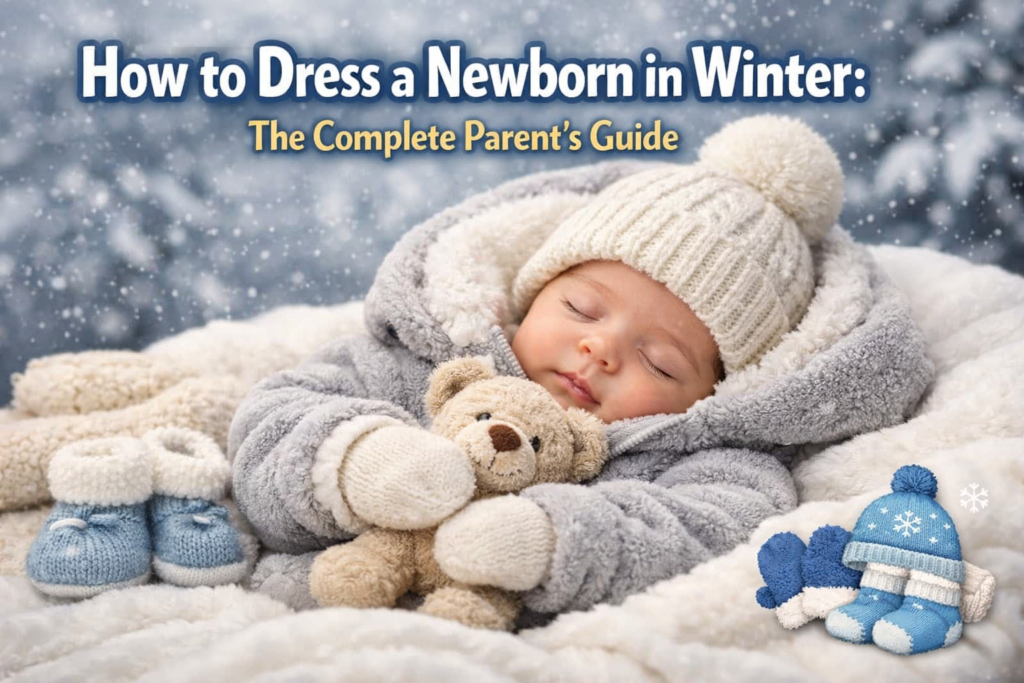
Bringing a newborn home in winter can feel like stepping into uncharted territory. You’re excited, exhausted, and suddenly very aware of the cold air outside. One of the biggest questions new parents ask is how to dress a newborn in winter without making them too cold—or too warm. Unlike adults, newborns can’t regulate their body temperature well, which means what they wear matters more than you think. Dressing a baby for winter is a careful balance, like seasoning a soup: too little and it’s bland, too much and it’s overwhelming. This guide will walk you through everything step by step, from fabrics and layers to sleepwear and outdoor outfits. By the end, you’ll feel confident knowing your baby is warm, safe, and comfortable all winter long.
Understanding Newborn Temperature Regulation

Newborns are tiny, delicate, and still learning how to function outside the womb. One major adjustment they face is regulating body temperature. Unlike adults, babies lose heat quickly because of their large head size compared to their body and limited body fat. This makes them more vulnerable to cold, especially during winter months.
Why Newborns Feel Cold Faster
A newborn’s skin is thinner, and their metabolism isn’t fully developed. This means they can’t generate or retain heat efficiently. Even a small drop in room temperature can make them uncomfortable. That’s why winter dressing isn’t about fashion—it’s about protection. Think of your baby like a small cup of hot tea left on the counter. Without insulation, it cools fast. Clothing acts as that insulation, helping your newborn stay warm without overheating.
Ideal Body Temperature for Newborns
The ideal body temperature for a newborn is around 36.5°C to 37.5°C (97.7°F to 99.5°F). If your baby feels cold to the touch or unusually fussy, it may be time to add a layer.
Signs Your Baby Is Too Cold or Too Warm
Cold signs include cool hands, feet, or chest, pale skin, and fussiness. Overheating signs include sweating, flushed cheeks, rapid breathing, or heat rash. Balance is key.Knowing whether your baby is too cold or too warm helps keep them safe and comfortable. If your baby is too cold, you may notice cool hands, feet, or chest, pale skin, fussiness, weak crying, or reduced movement. They may also curl up to conserve warmth. On the other hand, a baby who is too warm may have sweaty skin, flushed cheeks, damp hair, rapid breathing, or heat rash, especially around the neck and back. The best way to check is by gently touching your baby’s chest or back—these areas give the most accurate reading of their body temperature.
Basic Winter Dressing Rules for Newborns
Before diving into specific outfits, it’s important to understand a few golden rules. These simple principles will guide every clothing choice you make during winter.
The One-Layer Rule Explained
A common guideline is to dress your newborn in one more layer than you’re wearing. If you’re comfortable in a sweater, your baby likely needs a sweater plus an extra layer. This rule works well indoors and outdoors, but always adjust based on your baby’s cues.
Importance of Breathable Fabrics
Breathability is just as important as warmth. Clothes that trap heat without letting air circulate can cause overheating.
Avoiding Overheating Risks
Overheating increases the risk of discomfort and, during sleep, is linked to safety concerns. Always prioritize breathable, soft materials that regulate temperature naturally.
Best Fabrics for Newborn Winter Clothing
Not all fabrics are created equal, especially for sensitive newborn skin. Choosing the right materials can make a huge difference in comfort and warmth.
Cotton vs Wool vs Fleece
Cotton is soft, breathable, and gentle—perfect for base layers. Wool offers excellent insulation and temperature regulation, especially merino wool, which doesn’t itch. Fleece is lightweight and warm but should be used as an outer layer since it’s less breathable.
Fabrics to Avoid in Winter
Synthetic materials that don’t breathe well can trap moisture and cause irritation.
Choosing Skin-Friendly Materials
Always look for labels that say “hypoallergenic,” “organic,” or “baby-safe.” Your newborn’s skin will thank you.
How to Dress a Newborn Indoors During Winter
Most of your baby’s time will be spent indoors, so getting indoor winter clothing right is essential.
Room Temperature Guidelines
The ideal indoor temperature for a newborn is between 20°C and 22°C (68°F–72°F). If your home is within this range, heavy winter clothing isn’t necessary.
Ideal Indoor Clothing Combinations
A long-sleeve cotton bodysuit paired with soft pants and socks usually works well.
Layering Without Bulk
Instead of one thick layer, use two light layers. This allows you to adjust easily if the room warms up.
How to Dress a Newborn Outdoors in Winter
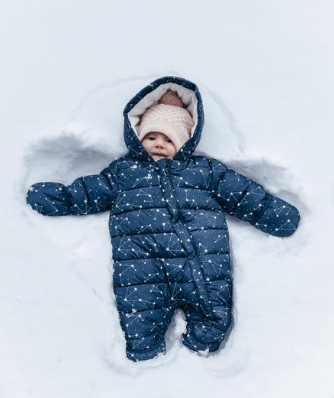
Stepping outside in winter requires extra preparation, even for short walks.
Preparing for Short Walks
Start with a warm base layer, add a sweater or fleece, and finish with a weather-appropriate outer layer.
Dressing for Cold and Wind
Wind can make temperatures feel much colder.
Hats, Mittens, and Booties
Since babies lose heat through their head, a snug hat is essential. Mittens and booties keep tiny fingers and toes warm.
Layering a Newborn for Winter (Step-by-Step)
Layering is the safest and most effective way to dress a newborn in winter.
Base Layer Essentials
The base layer should be soft and breathable, like a cotton or merino wool onesie. This layer sits directly against the skin.
Middle and Outer Layers
The middle layer provides insulation, while the outer layer protects from wind and cold.
Safe Layering Techniques
Avoid tight clothing that restricts movement or circulation. Comfort always comes first.
How to Dress a Newborn for Sleep in Summer
Dressing a newborn for sleep in summer is all about keeping them cool, comfortable, and safe. Use light, breathable clothing and avoid over-layering.
Key tips to follow:
- Choose soft cotton or bamboo fabrics that allow airflow and absorb sweat
- Dress your baby in a single lightweight layer, such as a short-sleeve bodysuit
- If it’s very warm, a diaper alone may be enough for sleep
- https://themomandkids.com/are-sleep-sacks-safe-for-babies-who-can-walk/Use a lightweight sleep sack (0.2–0.5 TOG) instead of blankets
- Keep the room temperature between 20–22°C (68–72°F)
- Avoid hats, socks, or extra layers during sleep
- Check your baby’s chest or back, not hands or feet, to gauge warmth
Your baby should feel warm but not sweaty. Simple, breathable sleepwear helps ensure safe and restful summer sleep.
Seasonal Accessories Every Newborn Needs
Accessories can add warmth but must be used safely.
Hats, Socks, and Mittens
Soft, snug accessories help maintain body heat, especially when going outdoors.
Blankets and Covers
Use blankets for supervised time only.
Safety Tips for Accessories
Remove hats and extra layers once indoors to prevent overheating.
Common Winter Dressing Mistakes Parents Make

Even well-meaning parents can make mistakes.
Over-Layering
Too many layers can cause overheating and discomfort.
Ignoring Baby’s Signals
Your baby’s behavior is your best guide.
How to Correct These Mistakes
Regularly check your baby’s chest or back to assess warmth.
Dressing a Premature or Low-Birth-Weight Baby in Winter
These babies need extra care.
Extra Precautions
They lose heat even faster than full-term babies.
Doctor-Recommended Clothing
Always follow medical advice for layering and temperature control.
Monitoring Temperature Closely
Frequent checks are essential for safety.
How to Check If Your Newborn Is Warm Enough
Guessing isn’t enough—you need simple checks.
- Touch-Test Method
Feel your baby’s chest or back, not hands or feet.
- Behavioral Signs
Crying or restlessness can signal discomfort.
- When to Adjust Clothing
If your baby feels sweaty or cool, adjust layers immediately.
Final Thoughts
Learning how to dress a newborn in winter doesn’t have to be stressful. With the right fabrics, smart layering, and attention to your baby’s cues, you can keep your little one cozy and safe all season long. Trust your instincts, stay flexible, and remember—comfort beats fashion every time.
FAQs
1. How many layers should a newborn wear in winter?
Usually one more layer than an adult feels comfortable wearing.
2. Is it safe for a newborn to wear a hat indoors?
Only if the room is cold; otherwise, remove it to prevent overheating.
3. Can a newborn sleep in fleece pajamas during winter?
Yes, as long as the room isn’t too warm and the pajamas are breathable.
4. How do I know if my baby is too cold at night?
Check the chest or back for coolness, not hands or feet.
5. Should newborns wear socks all the time in winter?
Yes, socks help retain warmth, especially indoors.