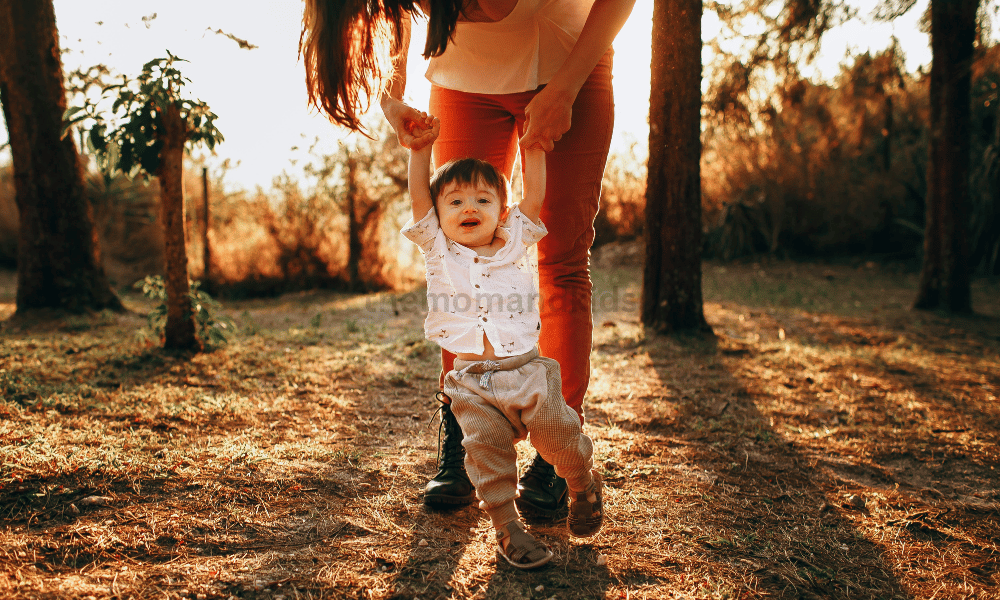
Watching a baby take their first steps is one of the most emotional and unforgettable moments for any parent. It’s exciting, a little nerve-wracking, and often filled with questions like, “Is my baby walking on time?” or “Should I be worried if they haven’t started yet?” Every baby develops at their own pace, and walking is no exception. Some babies are eager explorers who start early, while others take their time to build confidence. Understanding when babies usually start walking, what signs to look for, and how you can support them can help you feel calm, informed, and confident throughout this important milestone.
Understanding Baby Walking Milestones
Walking is one of those magical moments parents dream about from day one. It’s not just about movement—it’s about independence, curiosity, and confidence. Baby walking milestones don’t happen overnight. Instead, they unfold gradually as your baby’s muscles, balance, and brain work together like a perfectly timed orchestra. Before walking, babies master smaller but equally important skills such as holding their head up, sitting, crawling, and standing with support. Each milestone builds the foundation for the next, so skipping or delaying one doesn’t automatically signal a problem. Some babies crawl like champs before walking, while others barely crawl at all. Both are normal.
Understanding these milestones helps parents relax and enjoy the journey rather than rushing the destination. Walking isn’t a race; it’s a personal adventure your baby takes at their own pace, guided by growth, genetics, and daily experiences.
Average Age Babies Start Walking

Most babies start walking independently between 9 and 18 months, with many taking their first steps around 12 months. This wide range is completely normal and often surprises first-time parents. Some babies are eager explorers and start early, while others prefer observing before jumping into action.
Early walkers may begin cruising and stepping before their first birthday, whereas late walkers might wait until 15–18 months. Neither is better or worse. Pediatricians generally don’t worry unless a baby isn’t walking by 18 months. What matters more than the exact age is steady progress. If your baby is pulling up, cruising along furniture, or standing briefly, they’re on the right track. Walking is less about the calendar and more about readiness—physical, mental, and emotional.
Stages Before a Baby Starts Walking
Before those adorable first steps, babies go through several important pre-walking stages. It usually starts with rolling over, then sitting independently, followed by crawling or scooting. Crawling helps babies build core strength and coordination, but not all babies crawl—and that’s okay. Next comes pulling up to stand, where babies use furniture or a parent’s legs for support. Cruising soon follows, with babies moving sideways while holding onto couches or tables. These stages act like practice rounds, strengthening leg muscles and improving balance. Think of it like learning to swim—you don’t just jump into deep water; you practice kicking and floating first. Skipping or spending less time in one stage doesn’t mean something is wrong. Babies choose the path that feels right for them.
Signs Your Baby Is Ready to Walk
Babies usually give clear signals when they’re close to walking. Physically, you may notice your baby standing without support for a few seconds, squatting to pick up toys, or cruising confidently along furniture. They might push objects like chairs or toy carts across the floor. Behaviorally, ready-to-walk babies show curiosity and determination. They may try to reach you with arms outstretched or get frustrated when they can’t move fast enough. Emotionally, confidence plays a big role. A baby who laughs after falling and tries again is mentally preparing to walk. These signs mean your baby is building courage along with strength. When you see these cues, it’s a good time to offer encouragement—but not pressure. Walking happens best when babies feel safe and supported.
How Babies Learn to Walk
Learning to walk is a beautiful mix of muscle development, balance control, and repeated practice. Babies strengthen their legs through crawling, standing, and cruising. Balance improves as their inner ear and brain coordinate movement. And then comes practice—lots of it. Babies fall, wobble, and stumble countless times before mastering walking. These falls are part of learning, not failure. Each attempt teaches their brain how to adjust posture and movement. Think of it like learning to ride a bike—no one gets it perfect on the first try. Encouragement from parents boosts confidence, but the real magic happens through self-discovery. Walking isn’t taught; it’s learned through experience, curiosity, and resilience.
Factors That Affect When a Baby Starts Walking
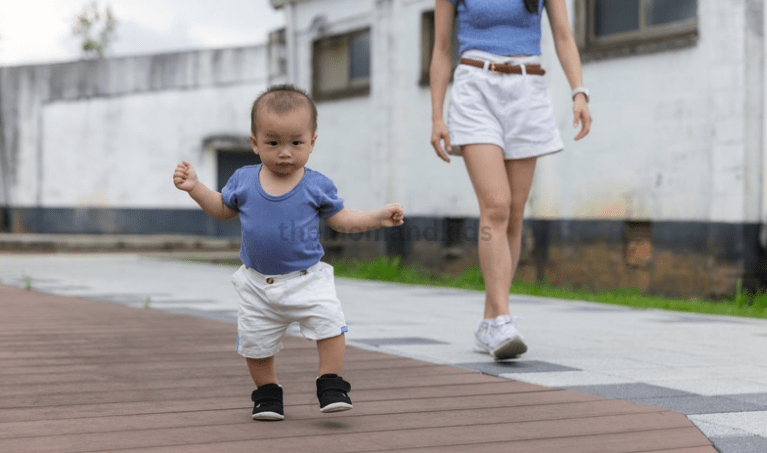
Several factors influence when a baby starts walking. Genetics play a big role—if parents walked early or late, babies may follow a similar pattern. Muscle tone, body weight, and overall health also matter. Babies who get plenty of floor time tend to develop strength faster than those who spend long hours in carriers or seats. The environment counts too. A safe, open space encourages movement and exploration. Personality is another key factor. Some babies are cautious planners, while others are fearless adventurers. Nutrition and sleep also support muscle growth and energy levels. All these elements combine uniquely for each baby, which explains why walking timelines vary so widely.
Differences Between Boys and Girls Walking
Many parents wonder if girls walk earlier than boys. While some studies suggest girls may develop certain motor skills slightly earlier, the difference is minimal and not reliable enough to predict walking age. In real life, individual differences matter far more than gender. You’ll find early-walking boys and late-walking girls—and vice versa. Focusing on gender comparisons can create unnecessary worry. What truly matters is progress over time. As long as your baby is moving forward developmentally, gender plays a very small role in walking milestones.
Early Walkers vs Late Walkers
Early walkers often surprise parents with their confidence and curiosity. However, walking early doesn’t mean a child will be more athletic or intelligent later. Similarly, late walkers aren’t less capable. Late walkers often develop strong problem-solving or verbal skills while focusing less on movement early on. Each baby prioritizes skills differently. As long as development is balanced overall, both early and late walking are normal. The key is avoiding comparison. Babies aren’t in competition—they’re building their own unique strengths.
How Parents Can Encourage Walking
Parents can gently support walking by creating a safe, inviting environment. Give your baby plenty of floor time and space to move. Encourage standing and cruising with sturdy furniture. Sit a short distance away and invite your baby to walk toward you with open arms and a smile. Praise effort, not just success. Avoid forcing steps or holding hands too tightly, as this can affect balance. Think of yourself as a cheerleader, not a coach. Your calm support builds confidence, which is just as important as muscle strength.
Baby Walking Aids – Helpful or Harmful?
Traditional baby walkers are generally discouraged because they can delay muscle development and pose safety risks. However, push toys and activity walkers that babies control themselves can be helpful. These allow babies to practice balance while staying active. Barefoot walking indoors is also recommended, as it helps babies feel the floor and develop proper foot strength. Shoes should be flexible and used mainly outdoors. The goal is natural movement, not shortcuts.
Common Myths About Baby Walking
One common myth is that babies who walk early are smarter. Another is that skipping crawling is bad. Both are false. Development isn’t a straight line, and walking age doesn’t predict intelligence. Another myth is that walkers help babies walk sooner—often, the opposite is true. Understanding facts over myths helps parents relax and enjoy each stage without unnecessary pressure or fear.
When to Worry If Baby Is Not Walking
Parents should consult a pediatrician if a baby isn’t walking by 18 months or shows no interest in standing or moving. Other red flags include stiffness, extreme floppiness, or loss of previously learned skills. Trust your instincts—if something feels off, it’s okay to ask questions. Early intervention, when needed, can make a big difference. Most of the time, reassurance is all that’s needed.
Walking and Brain Development
Walking doesn’t just change how babies move—it changes how they think. Walking improves spatial awareness, problem-solving, and independence. Babies can explore, choose directions, and interact with their environment in new ways. This boosts confidence and cognitive development. Walking is like opening a new chapter in your baby’s brain, where movement and learning work hand in hand.
Cultural Differences in Baby Walking
In some cultures, babies walk earlier due to more floor time and physical encouragement. In others, babies are carried more often and walk later. Neither approach is better—it’s simply different. Cultural practices influence opportunities for movement, but babies adapt beautifully within their environments. This global variation highlights how flexible and resilient baby development truly is.
Walking Milestones Month-by-Month
Between 9–12 months, babies often pull to stand, cruise, and may take first steps. From 12–18 months, most babies walk independently, improve balance, and start climbing. Progress may come in bursts—one day cautious, the next day unstoppable. Celebrate each small win along the way.
Conclusion
So, when does a baby start walking? The honest answer is—when they’re ready. Whether it’s 9 months or 18 months, walking unfolds in its own time, shaped by growth, confidence, and curiosity. Instead of watching the clock, watch your baby. Celebrate effort, encourage exploration, and trust the process. Walking is just one chapter in a lifelong journey of learning, and it begins best with patience, love, and a little cheering from the sidelines.
FAQs
1. Can a baby walk without crawling first?
Yes, some babies skip crawling and still develop normally.
2. Is it bad if my baby walks late?
No, walking anytime before 18 months is usually normal.
3. Do baby walkers help babies walk faster?
No, they may delay natural muscle development.
4. Should I hold my baby’s hands while walking?
Occasionally is fine, but allow independent balance practice.
5. When should I talk to a doctor about walking?
If your baby isn’t walking by 18 months or shows other delays.