Every parent wants one simple thing — a healthy, happy baby who grows strong and stays protected from frequent illnesses. But here’s the truth many new parents discover quickly: a baby’s immune system is still learning and developing during the first years of life. Unlike adults, babies don’t yet have a fully trained defense system, which means nutrition becomes one of the most powerful tools we have to support their health naturally.
Think of your baby’s immune system like a young garden. What you feed it determines how strong it grows. Organic nutrition provides clean, nutrient-rich foods without unnecessary chemicals, helping tiny bodies focus on growth and protection rather than processing artificial additives. From breast milk and colorful vegetables to healthy fats and probiotic-rich foods, every bite contributes to building stronger immunity from the inside out.
In this guide on themomandkids.com, we’ll explore the best organic nutrition choices that help strengthen your baby’s immune system naturally. Whether you’re starting solids or improving your baby’s diet, these practical, parent-friendly tips will help you nourish immunity while creating healthy eating habits that last a lifetime.
Why a Strong Immune System Matters in Babies
A baby’s immune system is like a tiny training army learning how to defend the body for the first time. Unlike adults, babies aren’t born with fully developed immunity. Instead, their immune defenses grow gradually through exposure, nourishment, and care. That’s why nutrition plays such a powerful role during the first year of life. Every spoonful of food acts like a building block shaping how well their body fights infections.
During infancy, babies frequently encounter new bacteria and viruses. Without proper nutrients, their immune response can become weak, making them more prone to colds, digestive issues, and skin problems. Organic nutrition supports this delicate phase by providing cleaner, nutrient-dense foods without unnecessary chemicals. Think of it like fueling a new engine with premium-quality fuel—it simply performs better.
Parents often focus only on growth and weight gain, but immunity deserves equal attention. Strong immunity not only protects babies today but also influences long-term health outcomes, including allergy resistance and gut health stability throughout childhood.
What Makes Organic Nutrition Different for Babies
Organic nutrition isn’t just a trendy label—it’s about reducing exposure to substances that tiny developing bodies struggle to process. Organic foods are grown without synthetic pesticides, artificial fertilizers, or genetically modified ingredients. For babies, whose detox systems are still immature, this difference matters more than many parents realize.
Conventional foods may carry trace chemical residues. While adults can often tolerate them, babies absorb nutrients—and toxins—more efficiently due to their smaller body size. Organic foods help minimize that exposure, allowing their immune systems to focus on growth rather than defense against unwanted chemicals.
Another key advantage is nutrient density. Many organic fruits and vegetables contain higher antioxidant levels because they grow naturally and develop stronger self-defense compounds. These antioxidants support immune cells and help reduce inflammation in developing bodies.
Choosing organic doesn’t mean perfection or pressure. Even small changes—like organic apples, carrots, or oats—can significantly improve nutritional quality. Think of organic nutrition as creating a cleaner foundation for your baby’s lifelong health journey.
Breast Milk – The First Organic Superfood
Before purees and finger foods ever appear, babies receive the ultimate immune booster: breast milk. Often called nature’s perfect food, breast milk is essentially organic nutrition designed specifically for human babies. It contains antibodies, enzymes, and immune factors that science still struggles to replicate completely.
Colostrum, the first milk produced after birth, acts like a natural vaccine. It’s packed with immunoglobulins that protect babies against infections while their immune system learns to function independently. Even months later, breast milk continues adapting to a baby’s needs, adjusting nutrients based on growth and environmental exposure.
Beyond antibodies, breast milk feeds beneficial gut bacteria. A healthy gut microbiome plays a central role in immunity because nearly 70% of immune cells live in the digestive system. That means every feeding strengthens internal defenses.
For parents who combine breastfeeding with organic solids later, the benefits multiply. Breast milk lays the immune foundation, while organic foods reinforce it—working together like roots and branches supporting a growing tree.
Essential Nutrients That Build Baby Immunity
Not all calories are equal when it comes to immunity. Babies need specific nutrients that act as immune boosters rather than just energy sources. Key vitamins include Vitamin A for skin protection, Vitamin C for infection resistance, and Vitamin D for immune regulation. Minerals like zinc and iron also play vital roles in producing healthy immune cells.
Healthy fats support cell development, while protein helps build antibodies. Fiber feeds beneficial gut bacteria, which indirectly strengthens immune defense. Imagine immunity as a puzzle—each nutrient is one essential piece completing the picture.
Organic foods often provide these nutrients naturally without artificial fortification. For example, organic sweet potatoes deliver beta-carotene, while organic spinach offers iron and antioxidants simultaneously.
Parents sometimes worry about complicated meal planning, but balance is simpler than it sounds. A colorful plate usually equals diverse nutrients. If meals include fruits, vegetables, healthy fats, and proteins, babies receive a wide immune-support system without needing supplements in most cases.
Organic Fruits That Boost Baby Immunity
Fruits are often a baby’s first introduction to solid foods, and organic options make them even more powerful. Fruits rich in Vitamin C and antioxidants help strengthen immune responses while supporting digestion and hydration.
Top immune-supporting organic fruits include:
- Bananas for gentle digestion and potassium
- Apples for fiber and gut health
- Blueberries packed with antioxidants
- Pears for sensitive stomachs
- Mangoes rich in Vitamin A
These fruits act like natural shields, helping babies fight inflammation and supporting healthy cell development. Organic varieties reduce pesticide exposure, especially important because fruit skins can retain residues.
Preparation matters too. Steaming or mashing fruits preserves nutrients while making them easy to digest. Avoid added sugar—babies don’t need sweetness enhanced artificially. Nature already provides the perfect flavor balance.
Introducing a variety of fruits early helps babies develop taste acceptance, which later encourages healthier eating habits. Think of it as training their taste buds toward immunity-friendly choices from day one.
Organic Vegetables for Immune Defense
Vegetables are the true superheroes of immune nutrition. Organic vegetables deliver vitamins, minerals, and phytonutrients that help babies develop strong natural defenses. Leafy greens and colorful vegetables contain antioxidants that protect cells from damage.
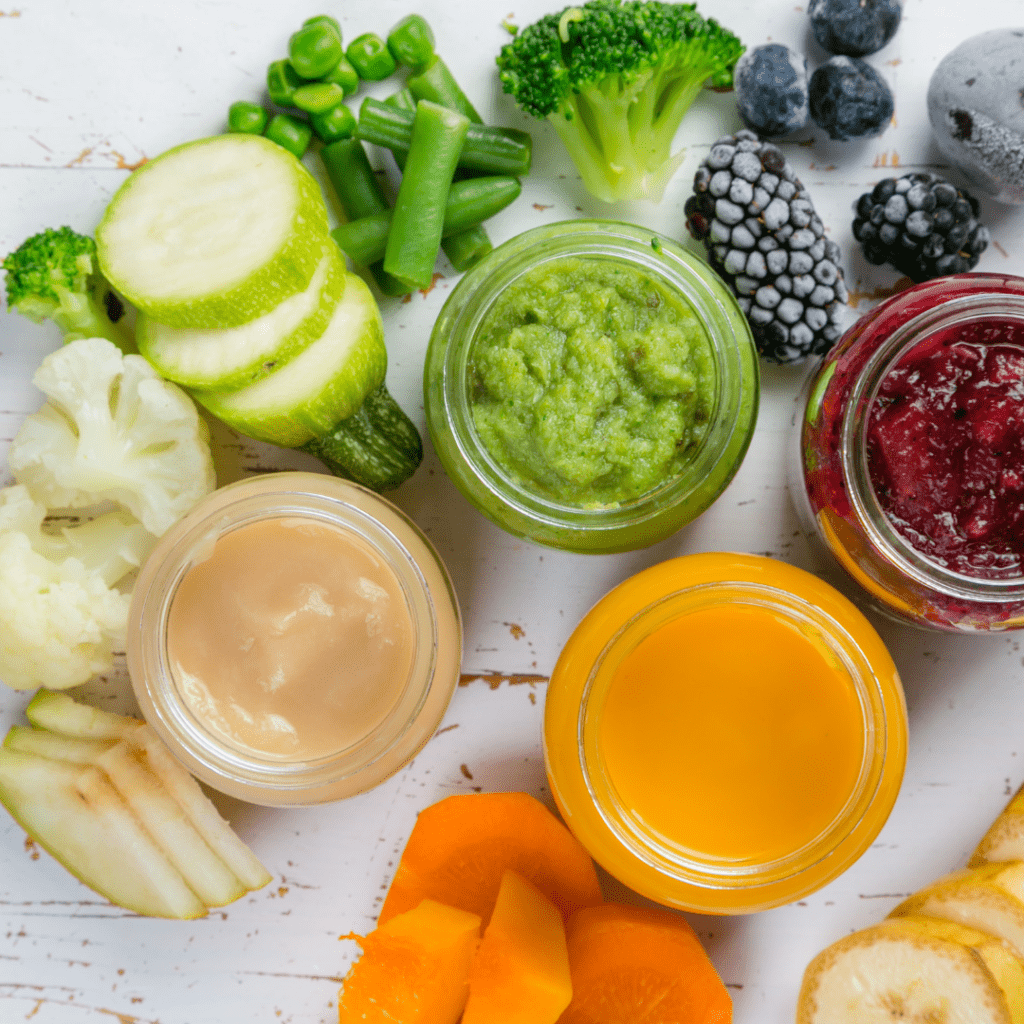
Excellent organic vegetable choices include carrots, spinach, broccoli, pumpkin, and sweet potatoes. Orange vegetables supply beta-carotene, which converts into Vitamin A—essential for skin and respiratory protection. Green vegetables contribute iron and folate, supporting blood health and energy levels.
Cooking methods make a big difference. Light steaming softens vegetables while maintaining nutrients. Overcooking, however, reduces vitamin content. Pureeing vegetables with a little breast milk or warm water improves texture and taste acceptance.
Many parents worry babies won’t like vegetables. The trick is repetition. Babies may need multiple exposures before accepting new flavors. Treat vegetables like learning a new language—practice makes comfort. Over time, these nutrient-packed foods become familiar and enjoyable, strengthening immunity naturally.
Healthy Organic Fats for Brain and Immune Health
Fats often get misunderstood, but for babies, they are essential—not optional. Healthy organic fats support brain development while also helping immune cells function properly. Without adequate fats, nutrient absorption becomes less effective, especially for fat-soluble vitamins like A, D, E, and K.
Avocados are one of the best first foods because they contain gentle, easily digestible fats. Organic olive oil added in small amounts to purees enhances nutrient absorption. Coconut oil can also provide quick energy and antimicrobial benefits.
Omega-3 fatty acids play a special role in reducing inflammation and supporting immune regulation. These fats help balance immune responses so the body reacts appropriately to threats without overreacting.
Think of fats as delivery vehicles transporting nutrients throughout the body. Without them, vitamins struggle to reach where they’re needed most. Including small portions of organic healthy fats daily ensures babies receive both brain and immune benefits simultaneously.
Organic Proteins That Strengthen Immunity
Protein is the raw material the body uses to build antibodies—the soldiers of the immune system. Babies need steady protein intake once solid foods begin to support muscle growth and immune development.
Organic lentils, chickpeas, and soft beans offer plant-based protein along with fiber and minerals. For families including animal products, organic eggs and well-cooked organic chicken provide highly absorbable protein and essential amino acids.
Protein also supports enzyme production, which helps digestion and nutrient absorption. Better digestion equals better immunity because nutrients are utilized efficiently.
Texture matters for babies. Proteins should be mashed or blended to prevent choking risks. Combining protein with vegetables creates balanced meals that sustain energy longer and stabilize blood sugar levels.
Rather than focusing on large portions, consistency works best. Small daily servings help maintain steady immune support, much like watering a plant regularly instead of flooding it occasionally.
The Role of Probiotics in Baby Immunity
A baby’s gut is like a bustling ecosystem filled with beneficial bacteria that influence immunity. Probiotics help maintain this balance, ensuring harmful microbes don’t dominate. Since most immune cells live in the gut, digestive health directly impacts overall resistance to illness.
Natural probiotic sources for babies include yogurt made from organic milk (after appropriate age introduction) and fermented foods in baby-safe forms. Breast milk also naturally contains prebiotics that feed beneficial bacteria.
A healthy gut microbiome improves nutrient absorption, reduces inflammation, and strengthens immune signaling. Babies with balanced gut bacteria often experience fewer digestive problems and infections.
Parents should introduce probiotic foods gradually and monitor reactions carefully. Every baby’s gut develops differently, so slow introduction allows adaptation. Think of probiotics as gardeners nurturing the soil so strong immunity can grow naturally.
Organic Grains and Fiber for Digestive Health
Whole organic grains provide gentle energy and essential fiber that supports digestion. Foods like organic oats, brown rice, and quinoa help regulate bowel movements while feeding beneficial gut bacteria.
Fiber acts like a cleaning system, supporting toxin removal and improving gut balance. When digestion works smoothly, immune function improves because the body isn’t stressed by inflammation or discomfort.
Organic grains also provide B vitamins, which support energy metabolism and immune cell production. Starting with single-grain cereals helps parents identify sensitivities while building dietary variety gradually.
Cooking grains until soft ensures easy digestion. Mixing grains with vegetables or fruits enhances both flavor and nutrient diversity. Over time, babies learn to enjoy complex textures and flavors, strengthening both digestive resilience and immune response.
Balanced grain intake complements fruits, vegetables, and proteins, creating meals that sustain energy and protect health simultaneously.
Foods to Avoid That Weaken Baby Immunity
While focusing on healthy foods is important, avoiding harmful options matters just as much. Processed baby foods with added sugars, preservatives, or artificial flavors can disrupt gut health and weaken immune responses.
Hidden sugars are especially problematic. They may reduce beneficial bacteria and promote inflammation. Similarly, excessive salt places stress on developing kidneys and overall metabolism.
Honey should be avoided before age one due to safety risks. Highly processed snacks may seem convenient but often lack essential nutrients needed for immune development.
Parents should also avoid introducing too many packaged foods early. Homemade organic meals allow full control over ingredients and freshness. Think of processed foods as empty fuel—they fill the stomach but don’t strengthen the immune system.
Reading labels carefully and choosing simple, whole ingredients helps protect babies during this critical development phase.
Creating an Organic Meal Plan for Babies
Building an organic meal plan doesn’t require perfection—it requires balance. A simple approach includes combining fruits, vegetables, grains, proteins, and healthy fats across the week.
For example:
- Morning: mashed fruit with oats
- Afternoon: vegetable puree with lentils
- Evening: avocado or sweet potato mash
Rotating foods ensures exposure to diverse nutrients while reducing allergy risks. Age matters too. Younger babies need smoother textures, while older infants can explore soft finger foods.
Consistency helps babies feel secure and supports digestion. Offering meals at predictable times encourages appetite regulation and healthy eating habits.
Parents should focus on variety rather than quantity. Babies naturally regulate intake when provided nutrient-rich foods. Organic meal planning becomes easier when preparing family meals adapted for baby-safe textures, saving time while maintaining nutrition quality.
Tips for Introducing Organic Foods Safely
Introducing new foods should feel exciting, not stressful. The best strategy is the “one new food at a time” rule, allowing parents to monitor reactions such as rashes or digestive discomfort.
Start with small portions and gradually increase quantity. Watch for allergy signs, especially when introducing common allergens like eggs or dairy. Pediatric guidance can help determine timing based on individual development.
Texture progression is also important. Begin with smooth purees, then move toward mashed and soft finger foods as chewing skills improve. Avoid forcing food—babies learn through exploration and repetition.
Creating a calm feeding environment encourages curiosity and positive associations with healthy foods. Think of mealtime as discovery rather than obligation. Safe introduction builds confidence for both parents and babies while ensuring nutrition supports immunity without unnecessary risks.
Common Mistakes Parents Make with Baby Nutrition
Many parents unknowingly focus too much on quantity instead of quality. Overfeeding doesn’t strengthen immunity; nutrient diversity does. Another common mistake is delaying vegetables while prioritizing sweet foods, which shapes long-term taste preferences.
Relying heavily on packaged baby snacks can also reduce nutrient intake. These foods often lack the vitamins and minerals essential for immune growth. Skipping healthy fats is another oversight, even though fats help absorb critical nutrients.
Parents sometimes introduce multiple new foods at once, making it difficult to identify sensitivities. Others worry excessively about messiness, limiting babies’ ability to explore textures.
Remember, feeding is a learning process. Babies don’t need perfection—they need consistency, variety, and patience. Small adjustments in daily feeding habits can dramatically improve immune support and overall health outcomes.
Long-Term Benefits of Organic Nutrition for Babies
Organic nutrition doesn’t just protect babies today—it shapes lifelong health patterns. Babies exposed to diverse whole foods early often develop stronger immunity, fewer allergies, and healthier eating habits later in childhood.
A balanced gut microbiome established during infancy can influence digestion, mood regulation, and disease resistance years later. Organic foods also encourage natural taste development, helping children prefer whole foods over processed snacks.
Parents often notice improved digestion, stable energy, and fewer minor illnesses when nutrition focuses on whole organic ingredients. These early benefits compound over time, like interest growing in a savings account.
Ultimately, organic nutrition teaches children that food is nourishment, not just convenience. By prioritizing clean, nutrient-dense meals early, parents invest in stronger immunity, healthier growth, and better lifelong wellness.
Conclusion
Building a baby’s immune system starts with what goes on the spoon. Organic nutrition provides cleaner, nutrient-rich foods that support gut health, strengthen immune defenses, and encourage healthy development from the very beginning. From breast milk and colorful vegetables to healthy fats and probiotics, every choice contributes to stronger protection against illness.
Parents don’t need complicated diets or expensive supplements—just real, whole foods prepared with care. Small daily decisions create lasting health benefits. By choosing organic nutrition, families create a foundation for resilience, growth, and lifelong wellness. At themomandkids.com, the goal is simple: help parents nurture healthier, happier children through informed and loving choices.
FAQs
1. When should I start organic foods for my baby?
Most babies can begin organic solids around 6 months, depending on developmental readiness.
2. Are organic foods really better for immunity?
Yes, they reduce chemical exposure and often provide higher antioxidant levels that support immune health.
3. Can formula-fed babies still benefit from organic nutrition?
Absolutely. Organic fruits, vegetables, and grains still strengthen immunity regardless of feeding method.
4. Do babies need supplements if they eat organic foods?
Usually not, unless recommended by a pediatrician. Balanced nutrition often provides sufficient nutrients.
5. How do I afford organic baby food on a budget?
Focus on priority items like fruits and vegetables, buy seasonal produce, and prepare homemade meals.