Baby finger foods are often seen as tiny bites made only for little hands, but many adults quietly wonder if these foods have any real value for them too. As parents, we taste our children’s snacks all the time, and sometimes they seem surprisingly clean and healthy. With simple ingredients, no added sugar, and strict safety standards, baby finger foods appear to be a smarter option than many processed adult snacks. But are they actually nutritious enough for grown-ups, or just convenient nibbles? In this article on The Mom and Kids, I explore whether baby finger foods offer real benefits for adults or if their value stops at the high chair.
Understanding What Baby Finger Foods Really Are
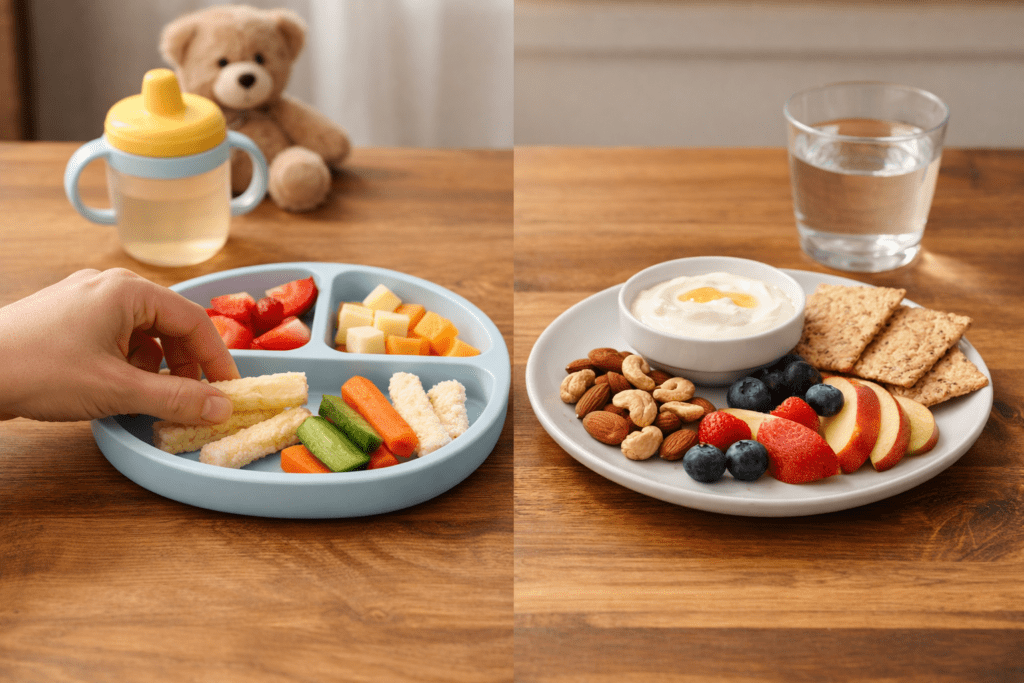
Baby finger foods are designed to help infants transition from purees to solid foods. They’re usually soft, easy to chew, and shaped for little hands to grip. From rice rusks to soft veggie sticks, these foods focus on safety, simplicity, and gentle digestion. When I look at them as an adult, I see foods that are intentionally low-risk and minimally seasoned. That alone makes many people wonder: if they’re so “clean,” can adults eat them too?
The biggest difference between baby finger foods and adult snacks is intention. These foods aren’t made to fuel a workout or replace a meal. They exist to support motor skills, reduce choking risk, and introduce basic tastes. Still, the ingredients are often whole-food based, free from added sugar, and lightly processed. For adults tired of ultra-processed snacks, that’s an interesting advantage. Think of them as training wheels for eating solids—safe, gentle, and simple. But simplicity can be both a strength and a weakness, depending on what your body needs.
Why This Question Matters for Parents and Adults
As a parent, I’m constantly multitasking. Sometimes I grab whatever is closest, and that often means my child’s snacks. Many parents do the same. The question isn’t weird—it’s practical. If I’m already buying baby finger foods, can they double as a quick adult snack?
For non-parents, the curiosity usually comes from health trends. Baby foods are marketed as clean, organic, and additive-free. Adults chasing minimal-ingredient diets start eyeing these products as “safe” alternatives. But nutrition isn’t one-size-fits-all. Adults have higher energy, protein, and micronutrient needs. While baby finger foods can fit into an adult diet occasionally, relying on them too much may leave nutritional gaps. So yes, the question matters because it sits right at the intersection of convenience, health, and real-life eating habits.
Nutritional Profile of Baby Finger Foods
Most baby finger foods are built around simple ingredients like rice, oats, fruits, vegetables, or lentils. They’re often low in sodium, sugar-free, and free from artificial additives. From a clean-label perspective, that’s impressive. I like knowing exactly what’s inside.
However, these foods are intentionally low in calories, protein, and fats. Babies need gentle energy, not dense fuel. Adults, on the other hand, need foods that sustain muscles, hormones, and daily activity. While baby finger foods may contain carbs and small amounts of fiber, they usually lack enough protein to be considered a balanced snack for adults. They’re nutritionally “safe” but not nutritionally “complete.” Think of them as a light nibble, not a power snack.
Are Baby Finger Foods Healthy for Adults?

Short answer: they can be healthy, but they’re not enough on their own. The biggest benefit is ingredient quality. No added sugar, low salt, and minimal processing are all wins. For adults with sensitive digestion, these foods can feel easier on the stomach.
The downside is density. You’d need a lot of baby snacks to meet adult nutritional needs, and that’s neither practical nor cost-effective. Health isn’t just about what’s missing (like sugar), it’s about what’s present—protein, fiber, healthy fats, and micronutrients. Baby finger foods are a nice add-on, not a foundation. I treat them like I’d treat plain crackers: fine sometimes, but never a meal replacement.
Protein, Fiber, and Energy: Do They Measure Up?
Adults generally need significantly more protein and fiber than babies. Most baby finger foods contain less than 2 grams of protein per serving. That’s very low for an adult body. Fiber content also tends to be modest, unless the food is veggie- or legume-based.
Energy-wise, these snacks are light. That’s great for babies who eat frequently, but adults may feel hungry again quickly. If you’re active, working long hours, or trying to build muscle, baby finger foods simply won’t keep up. They’re like kindling instead of firewood—quick to burn, quick to disappear.
Baby Finger Foods vs Adult Snacks
Compared to chips, cookies, or candy, baby finger foods look like nutritional angels. They’re less processed, lower in sugar, and easier to understand. That’s their strongest selling point for adults.
But compared to adult whole-food snacks like nuts, yogurt, eggs, or fruit with nut butter, they fall short. Adult snacks are designed to satisfy hunger and support energy. Baby foods are designed to introduce textures safely. Context matters. Baby finger foods win on purity, but lose on performance.
Hidden Benefits Adults Often Overlook
One underrated benefit is digestibility. These foods are gentle. For adults recovering from illness, dental issues, or digestive sensitivity, baby finger foods can be comforting. They’re also portion-controlled by default, which helps mindful eating.
Another benefit is regulation. Baby food standards are often stricter than adult snack foods. That means fewer questionable additives. For ingredient-conscious adults, that’s reassuring. Still, “clean” doesn’t automatically mean “complete.”
When Baby Finger Foods Make Sense for Adults
They make sense as emergency snacks, light bites with tea, or gentle foods during recovery. They’re also useful for adults who struggle with appetite or need very soft foods. In those moments, baby finger foods shine.
They also work well when paired with other foods. I’ll sometimes eat them with yogurt or fruit to balance things out. Alone, they’re limited. Combined, they’re useful.
Situations Where They Fall Short
If you’re trying to build muscle, stay full for hours, or fuel intense workdays, baby finger foods won’t cut it. They lack protein, fats, and calories. Eating only these would leave most adults undernourished.
They also cost more per calorie than adult foods. From a budget perspective, they’re inefficient. Good occasionally, not daily.
Weight Loss and Portion Control Perspective
For weight loss, baby finger foods can help with portion awareness. Small servings and low calories reduce overeating. But they shouldn’t replace balanced meals. Sustainable weight loss still needs protein, fiber, and fats.
Baby-Led Weaning Foods Adults Can Enjoy Too
Whole foods like steamed veggies, soft fruits, and lentil patties are baby-friendly and adult-appropriate. These blur the line nicely. Homemade versions are especially versatile.
Taste, Texture, and Satisfaction for Grown-Ups
Let’s be honest—most baby finger foods are bland. Adults may miss seasoning and texture variety. Satisfaction matters, and bland food often leads to more snacking later.
Food Safety and Ingredient Transparency
This is where baby foods win big. Clear labeling, fewer additives, and higher safety standards are real advantages. Adults concerned about food quality can appreciate that.Food Safety and Ingredient Transparency
One area where baby finger foods clearly stand out is food safety and ingredient transparency. Baby foods are held to much stricter standards than most adult snacks because they’re made for developing bodies. As a parent, that gives me extra confidence. Labels are usually clear, simple, and easy to understand, with fewer ingredients and no confusing chemical names. Many brands avoid added sugar, artificial colors, preservatives, and excessive sodium, which is something adults also benefit from.
Another big advantage is sourcing. Baby food manufacturers are often required to test for heavy metals and contaminants more frequently. That level of scrutiny is rare in regular snack foods. For adults who care deeply about clean eating, this is a real plus. However, transparency doesn’t automatically mean complete nutrition. While baby finger foods are safe and honest about what’s inside, adults still need more balanced nutrients from their overall diet.
My First-Hand Experience as a Parent
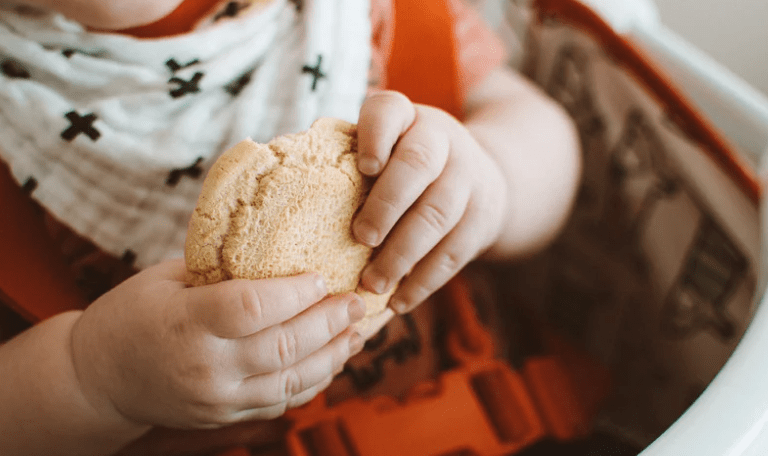
I’ve tried my child’s finger foods more times than I can count. They’re fine, sometimes even tasty. But I’m always hungry again soon. That tells me everything I need to know.
As a parent, I’ve had plenty of chances to try baby finger foods, often without planning to. Here’s my honest experience:
- Taste Test Happens Naturally: While feeding my child, I often taste the food first. Most baby finger foods are mild, clean, and surprisingly fresh, though definitely bland for an adult palate.
- Easy on the Stomach: I noticed these foods feel light and gentle. On days when I wasn’t feeling well, they were easy to eat without upsetting my digestion.
- Not Filling at All: Even after eating a full serving, I felt hungry again very quickly. They simply don’t provide enough protein or calories for adult needs.
- Great Ingredient Quality: I appreciate the short ingredient lists and lack of added sugar or artificial flavors. That gives peace of mind.
- Best as a Backup Snack: For me, baby finger foods work as an emergency bite, not a replacement for adult meals or snacks.
Conclusion
Baby finger foods aren’t useless for adults, but they’re not magic health foods either. I see them as supportive, not central. They work best as light snacks, recovery foods, or clean-label alternatives—not as replacements for real adult meals. Balance is everything.
FAQs
1. Can adults eat baby finger foods daily?
They can, but it’s not recommended as a daily habit due to low protein and calories.
2. Are baby finger foods healthier than chips?
Yes, in terms of ingredients and processing, but they’re less filling.
3. Do baby finger foods help with weight loss?
They can support portion control but shouldn’t replace balanced meals.
4. Are they safe for adults with digestion issues?
Often yes, because they’re gentle and easy to digest.
5. What’s a better alternative for adults?
Whole-food snacks like fruit, nuts, yogurt, or eggs offer better nutrition.