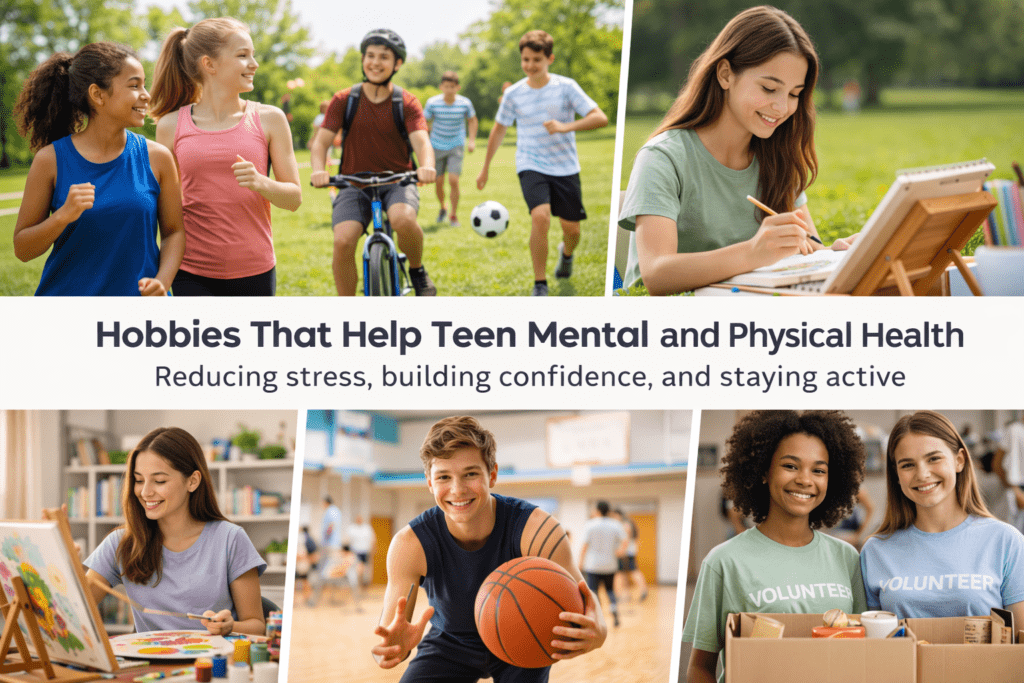
Teen years can feel like a roller coaster—one minute everything is exciting, the next it’s stressful and overwhelming. I’ve noticed that during this stage, teens are not just growing physically; their minds and emotions are also changing fast. That’s exactly why healthy hobbies matter so much. They act like a pressure valve, releasing stress while building confidence and strength at the same time. Instead of spending all free time on screens, engaging in meaningful activities gives teens a chance to recharge, discover their interests, and develop real-life skills. Whether it’s playing sports, drawing, gardening, or learning music, hobbies create a safe space where teens can express themselves without fear of judgment.
Over time, these small, consistent activities improve focus, boost mood, and increase energy levels. Think of hobbies as daily vitamins for the brain and body—simple, enjoyable, yet powerful enough to support long-term mental and physical health.
Why Hobbies Are Essential for Teen Development
The Link Between Activities and Brain Growth
Teen years are like a construction phase for the brain. Every activity acts like a brick shaping memory, focus, and emotional control. When teens engage in hobbies, their brains create new neural pathways. It’s similar to upgrading software—things run smoother, faster, and more efficiently. Hobbies such as puzzles, music, or sports stimulate different brain areas, helping improve concentration and problem-solving skills. Instead of staying stuck in repetitive school stress, teens get a mental refresh. Regular engagement also strengthens decision-making abilities, which is critical during adolescence. Over time, these small activities build resilience and adaptability. A hobby isn’t just “free time”; it’s a training ground for life skills. Teens who actively explore interests often develop stronger creativity and confidence. Think of hobbies as mental gym sessions—each practice makes the brain sharper and more flexible, preparing teens for academic challenges and real-life situations.
Building Healthy Daily Routines
Structure creates stability, especially during teenage years filled with emotional ups and downs. Adding hobbies to daily routines gives teens a predictable break from academic pressure. It acts like a reset button after long school hours. When teens schedule time for activities they enjoy, they naturally manage time better. Instead of endless scrolling, they invest energy in something meaningful. Consistent routines also improve discipline and responsibility. For example, practicing guitar every evening or jogging after school builds commitment. Over weeks, this habit strengthens patience and focus. A balanced routine prevents burnout and keeps motivation alive. Hobbies also reduce boredom, which often leads to unhealthy habits. With a planned schedule, teens feel more in control of their day. That sense of control directly supports emotional stability. Simply put, a structured hobby routine works like a compass—it keeps teens grounded while they navigate academic, social, and personal challenges.
How Hobbies Improve Teen Mental Health
Reducing Stress and Anxiety Naturally
Teen life can feel like carrying a backpack full of pressure—exams, expectations, friendships, and social media noise. Hobbies lighten that load. Activities like drawing, journaling, or playing sports release feel-good chemicals that help calm the mind. Instead of bottling emotions, teens get a safe outlet to express them. Physical hobbies reduce cortisol levels, while creative hobbies provide emotional release. Even 30 minutes of a favorite activity can shift mood dramatically. It’s like opening a window in a stuffy room—fresh air instantly changes the atmosphere. Regular engagement builds coping skills, making teens less reactive to stress triggers. Over time, hobbies train the brain to switch from worry mode to relaxation mode faster. This reduces the risk of prolonged anxiety. The best part? It’s natural, simple, and enjoyable. No complicated methods—just consistent participation in something they genuinely like.
Boosting Self-Confidence and Identity
Teenagers are constantly asking, “Who am I?” Hobbies help answer that question. When teens learn a new skill—like playing a song or completing a painting—they experience achievement. That small win boosts confidence. Repeated success builds a sense of identity and purpose. Instead of seeking validation only from grades or peers, they gain internal motivation. Hobbies also allow safe experimentation. A teen might discover they love photography or athletics, shaping future goals. Each improvement reinforces self-belief. It’s like stacking small bricks to build a strong wall of confidence. Over time, this reduces self-doubt and comparison. Teens begin to value effort rather than perfection. Having a personal interest also gives them something positive to talk about socially, improving communication skills. Confidence developed through hobbies often carries into academics and relationships, creating a ripple effect across multiple areas of life.
Physical Health Benefits of Active Hobbies

Improving Strength, Stamina, and Energy
Active hobbies are like fuel for a growing body. Sports, dancing, cycling, or swimming strengthen muscles and improve heart health. Regular movement increases stamina, making daily tasks easier. Teens who stay physically active often feel more energetic during school hours. Exercise also improves posture and flexibility, reducing body aches caused by long sitting periods. Over time, endurance improves, and fatigue decreases. Active hobbies also enhance coordination and balance, which are essential for overall fitness. Think of the body as a machine—movement keeps all parts running smoothly. Without activity, energy levels drop and sluggishness sets in. Even simple routines like skipping rope or brisk walking can make a noticeable difference. Consistent participation builds healthy fitness habits that can last into adulthood.
Preventing Lifestyle-Related Health Problems
Modern teen lifestyles often include long screen time and minimal movement. Active hobbies act as a protective shield against weight gain and low fitness levels. Regular exercise helps maintain healthy metabolism and supports strong bones. It also improves sleep patterns, which are often disrupted by excessive device use. Physical hobbies reduce the risk of early lifestyle issues like poor stamina or low immunity. Movement improves blood circulation, ensuring the body receives enough oxygen and nutrients. Over time, this strengthens overall health. A consistent activity routine builds discipline toward self-care. Teens who stay active are more likely to continue healthy habits later in life. Prevention is always easier than correction, and hobbies make that prevention enjoyable rather than forced.
Creative Hobbies That Support Emotional Wellbeing
Drawing, Painting, and Crafting
Creative hobbies act like emotional ventilation. When teens draw or paint, they express feelings that are hard to explain in words. Colors and shapes become a silent language for emotions. Crafting also improves patience and focus because it requires attention to detail. Completing a creative project provides satisfaction and relaxation. These activities reduce mental clutter and encourage mindfulness. Even simple sketching after school can calm an overactive mind. Creativity also improves problem-solving skills by encouraging new perspectives. Over time, teens develop a sense of accomplishment and pride in their work.
Music, Singing, and Instrument Practice
Music connects directly with emotions. Playing an instrument or singing helps release tension and improve mood. Rhythm and melody stimulate brain areas linked to memory and concentration. Regular practice builds discipline and persistence. Music also provides a safe emotional outlet during stressful times. Teens often feel understood through songs, making it easier to process feelings. Group music activities improve social bonding and confidence.
Outdoor Hobbies That Strengthen Body and Mind
Cycling, Walking, and Hiking
Outdoor movement refreshes both body and mind. Fresh air and sunlight boost energy and mood. Activities like cycling or walking improve cardiovascular health while reducing stress. Nature exposure also enhances focus and creativity. It’s like pressing a mental refresh button.
Gardening and Nature Exploration
Gardening teaches responsibility and patience. Watching plants grow gives a sense of achievement. Nature exploration reduces mental fatigue and improves emotional balance.
Social Hobbies That Build Confidence
Team Sports and Group Activities
Team hobbies teach cooperation, communication, and leadership. Teens learn how to handle wins and losses, building resilience.
Volunteering and Community Involvement
Helping others increases empathy and purpose. Community work builds confidence and social skills.
Educational Hobbies That Boost Brain Power
Reading and Creative Writing
Reading expands imagination and vocabulary. Writing improves emotional expression and critical thinking.
Learning New Skills Like Coding or DIY Projects
Skill-based hobbies improve problem-solving and future career readiness.
Screen-Free Hobbies for Better Focus
Reducing Digital Fatigue
Limiting screens reduces eye strain and mental overload.
Improving Sleep Quality
Screen-free evenings help regulate sleep cycles and improve rest.
Choosing the Right Hobby for Different Teen Personalities
Introverted vs Extroverted Preferences
Quiet hobbies suit introverts; group activities suit extroverts.
Matching Hobbies With Interests
Interest-based choices increase consistency and enjoyment.
How Parents Can Encourage Healthy Hobbies
Creating a Supportive Environment
Encouragement without pressure builds motivation.
Balancing Academics and Leisure
Balanced schedules prevent burnout.
Building Long-Term Healthy Habits Through Hobbies
Consistency Over Perfection
Small daily practice beats occasional effort.
Turning Hobbies Into Lifelong Skills
Many hobbies evolve into careers or passions.
Common Mistakes Teens Make When Starting New Hobbies
Starting a new hobby is exciting, but teens often stumble into habits that reduce the benefits or make the experience frustrating. Understanding these common mistakes can help teens stay motivated, enjoy the process, and actually improve both mental and physical health. The key is patience, consistency, and focusing on personal growth rather than perfection. Hobbies should feel fun and rewarding, not like another school assignment. Being aware of these pitfalls prevents teens from quitting too early or losing interest entirely, ensuring hobbies become a long-term part of a healthy lifestyle.
Quitting Too Early
One of the biggest mistakes is giving up before progress is visible. Teens may try a hobby once or twice and expect instant results. For example, learning guitar or painting requires practice and patience—skills develop over time. Quitting too early prevents teens from experiencing growth and the satisfaction that comes with improvement. It’s important to remember that every expert started as a beginner. Setting small, achievable goals can help maintain motivation and make the learning process enjoyable rather than frustrating.
Comparing With Others
Another common mistake is comparing oneself to peers who may have more experience or natural talent. This can lead to discouragement and loss of confidence. Hobbies are personal journeys, and progress is relative. Teens should focus on their own improvements instead of measuring themselves against others. Tracking small milestones, celebrating personal achievements, and enjoying the process itself helps maintain motivation and self-esteem. The goal is personal growth, not competition.
Low-Cost Hobby Ideas for Teens
Budget-Friendly Options at Home
Reading, journaling, bodyweight exercise, and sketching cost little.
Using Community Resources
Libraries, parks, and school clubs offer free opportunities.
Daily Routine Example With Healthy Hobbies
Creating a simple daily routine helps teens stay balanced, focused, and energized throughout the day. I like to think of a routine as a roadmap—it keeps the day organized while leaving space for fun and relaxation. When healthy hobbies are included regularly, teens can reduce stress, improve mood, and maintain physical fitness without feeling overwhelmed. The goal isn’t to fill every minute, but to create a steady rhythm between school, rest, and enjoyable activities. Even small time blocks for hobbies can make a big difference in mental clarity and energy levels. A consistent schedule also improves discipline and sleep quality, which are essential during teenage years. Below is a practical and realistic example that blends productivity with relaxation.
Weekday Routine
- Morning (6:30–7:30 AM): Light stretching or a short walk to boost energy and wake up the body.
- School Hours: Focus on learning and social interaction.
- After School (4:00 PM): 30–45 minutes of a physical hobby like cycling, sports, or skipping rope.
- Evening (6:00 PM): Homework and study time with short breaks.
- Night (8:00 PM): Creative hobby such as drawing, reading, or playing music to relax the mind.
- Before Bed (9:30 PM): Screen-free time to improve sleep quality.
Weekend Routine
- Morning: Outdoor activities like hiking, gardening, or team sports.
- Afternoon: Skill-building hobbies such as DIY projects, coding, or art.
- Evening: Social hobbies—family games, volunteering, or group activities.
- Night: Reflection or journaling to reset for the new week.
Signs a Hobby Is Positively Impacting Health
Emotional Improvements
Better mood, confidence, and reduced stress.
Physical Fitness Indicators
Improved stamina, strength, and sleep quality.
Conclusion
Hobbies are more than simple pastimes—they’re powerful tools that shape a teen’s mind and body. When teens engage in creative, active, or social activities, they build confidence, reduce stress, and improve overall fitness. These small daily actions work like steady drops filling a bucket, gradually creating stronger emotional resilience and healthier physical habits. The key is consistency, not perfection. Choosing enjoyable hobbies makes self-care feel natural instead of forced. Over time, these interests become lifelong skills that support success in school, relationships, and future careers. Encouraging teens to explore different activities helps them discover strengths, passions, and a sense of purpose that lasts well beyond adolescence.
FAQs
1. How many hours should teens spend on hobbies daily?
Around 30–60 minutes daily is enough to gain mental and physical benefits without affecting studies.
2. Which hobby is best for both mental and physical health?
Activities like sports, dancing, and yoga support both emotional balance and physical fitness.
3. Can hobbies improve academic performance?
Yes, hobbies improve focus, memory, and stress management, which helps learning.
4. What if a teen loses interest quickly?
Trying different hobbies helps find one that matches genuine interests.
5. Are indoor hobbies as effective as outdoor ones?
Yes, creative indoor hobbies improve mental health, while outdoor ones add physical benefits.