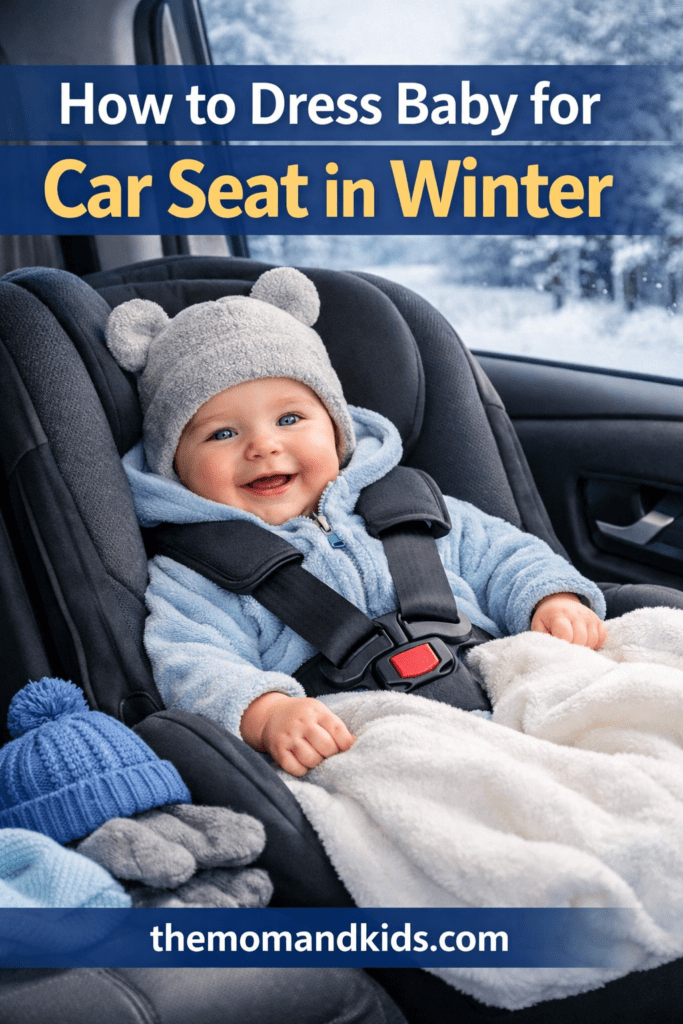
Winter mornings, frosty winds, and a sleepy baby in your arms—getting out the door can already feel like a challenge. Add car seat safety to the mix, and it’s easy to feel overwhelmed. Many parents assume that bundling a baby in thick winter clothes is the safest option, but when it comes to car seats, the opposite is often true. At themomandkids.com, we believe warmth and safety should always go hand in hand. This guide breaks everything down in a simple, practical way so you can confidently dress your baby for winter car rides without second-guessing yourself. Think of it like learning a new recipe—once you understand the steps, it becomes second nature. Ready to keep your baby both cozy and protected? Let’s dive in.
Why Dressing a Baby for a Car Seat Is Different in Winter
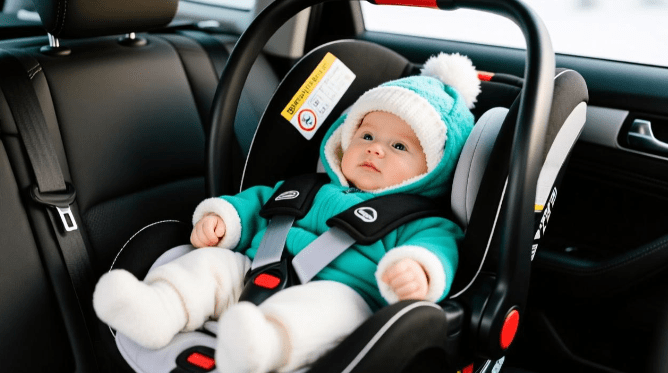
Dressing a baby for winter feels instinctive—thick coats, padded snowsuits, and fluffy layers. But car seats play by different rules. Unlike a stroller or carrier, a car seat relies on a snug harness to protect your baby in the event of sudden stops or collisions. Bulky winter clothing can compress during impact, leaving dangerous slack in the straps. It’s a bit like tying a knot over a pillow instead of a solid surface—it feels tight at first but loosens under pressure. Understanding this difference is the first step toward safer winter travel. Babies don’t generate heat the same way adults do, so parents naturally worry about cold. The key is learning how to keep your baby warm without interfering with how the car seat is designed to work. Once you get this concept, winter car seat dressing becomes much less stressful.
The Hidden Dangers of Bulky Winter Clothing
Bulky winter clothing may look cozy, but it can be deceptive. Thick padding creates a false sense of security because the harness feels tight when you buckle it. In reality, that padding can flatten instantly during a crash, creating space between your baby and the harness. This extra space increases the risk of injury or ejection. Many crash tests and safety experts have demonstrated how dangerous this can be. It’s not about fear—it’s about physics. The force of a collision doesn’t care how warm your baby looks; it only responds to how well the harness fits. Recognizing this danger helps parents make informed choices rather than emotional ones driven by cold-weather anxiety.
How Car Seat Harnesses Are Designed to Work
Car seat harnesses are engineered to sit snugly against a baby’s body. They distribute crash forces across the strongest parts of the body, like the shoulders and hips. When bulky clothing gets in the way, that design is compromised. Think of the harness like a seatbelt for your baby—it needs direct contact to do its job. Thin, well-fitted layers allow the harness to function exactly as intended. Once buckled properly, you can always add warmth on top. This design principle is the foundation of every car seat safety recommendation.
Understanding Car Seat Safety Basics for Winter
Before choosing outfits, it’s important to understand basic car seat safety—especially how winter conditions affect it. Cold weather often leads parents to rush or cut corners, but winter is when proper setup matters most. A correctly installed car seat paired with proper clothing creates a safety system, not just a seat. At themomandkids.com, we often remind parents that car seats are tested under specific conditions. Adding untested layers or accessories can interfere with those safety standards. Knowledge here isn’t about being perfect; it’s about being prepared.
How Harness Tightness Affects Safety
Harness tightness is everything. The “pinch test” is a simple way to check—if you can pinch the strap material at the shoulder, it’s too loose. Bulky clothing almost always fails this test once removed. Tight harnesses reduce forward movement during a crash, protecting your baby’s head and spine. Winter layers should support, not sabotage, this tightness. Thin layers allow parents to adjust straps correctly every time, even when temperatures drop.
Crash Test Reality and Winter Clothing
Crash tests don’t account for thick coats or snowsuits unless specifically approved by the car seat manufacturer. This means those adorable winter outfits haven’t been proven safe in a collision. It’s a tough truth, but safety often means choosing function over fashion. Once parents understand this reality, dressing babies safely becomes a logical decision instead of a confusing one.
The Golden Rule: No Bulky Coats in Car Seats
If there’s one rule every parent should remember, it’s this: no bulky coats in car seats. This guideline applies to newborns, infants, and toddlers alike. Bulky coats include puffer jackets, thick fleece suits, and padded snowsuits. They may seem essential in winter, but they belong outside the harness, not under it. Following this rule instantly reduces risk and simplifies decision-making.
What Counts as “Bulky” Clothing
Bulky clothing is anything that adds compressible padding between your baby and the harness. If you remove the coat and the harness suddenly feels looser, that’s your answer. When in doubt, take it off. Thin jackets, sweaters, and thermal layers are usually fine, but always check harness tightness directly on your baby’s body.
Common Mistakes Parents Make
A common mistake is loosening the harness to accommodate thick clothing. Another is assuming short trips don’t matter. Accidents don’t schedule themselves, and even a five-minute drive deserves full safety precautions. Awareness helps parents break these habits before they become routine.
Best Base Layers for Babies in Winter Car Seats
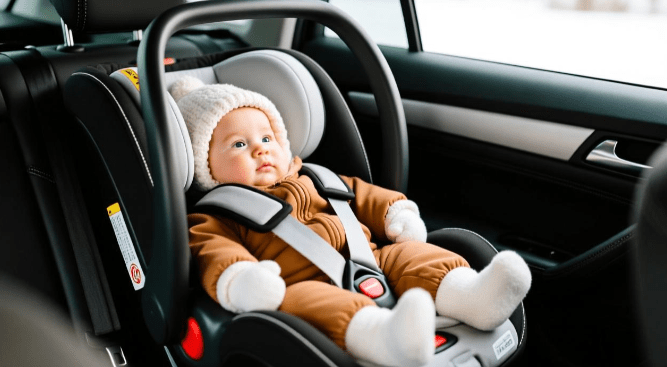
Base layers are your best friend in winter car seat dressing. They provide warmth without bulk, allowing the harness to sit correctly. Think of base layers as insulation, not armor. They trap body heat while staying close to the skin. Choosing the right materials can make all the difference.
Choosing Warm but Thin Fabrics
Look for materials like cotton blends, merino wool, and thermal knits. These fabrics breathe well and regulate temperature. Avoid stiff or overly padded materials. Soft, flexible fabrics allow your baby to move comfortably while staying warm.
Layering Without Compromising Safety
Layering works best when each layer is thin. A long-sleeve bodysuit, leggings, and a light sweater often provide enough warmth. You can always add a blanket after buckling. This approach gives you flexibility without sacrificing safety.
How to Dress a Newborn for a Car Seat in Winter
Newborns are especially vulnerable to cold, which makes winter travel nerve-wracking for parents. The good news is that safe warmth is completely achievable. Newborns should wear fitted, thin layers that allow the harness to sit snugly. A footed sleeper made from warm cotton or fleece (not thick padding) works well. Remember, newborns often overheat easily, so balance is key.
Special Considerations for Newborns
Newborns can’t regulate their body temperature well. Always pre-warm the car if possible. Avoid placing thick liners or inserts not approved by the car seat manufacturer. Their tiny bodies need direct harness contact for maximum protection.
Keeping Newborns Warm Without Overheating
After buckling, place a blanket over the harness, not under it. This creates a warm cocoon without affecting safety. Check your newborn’s chest or back to gauge temperature—not hands or feet, which are often cooler.
How to Dress Infants (3–12 Months) for Winter Car Rides
As babies grow, their clothing needs change. Infants are more active but still sensitive to cold. Dressing them safely means adjusting layers as they develop mobility and strength. The principles stay the same: thin layers, snug harness, warmth added afterward.
Adjusting Layers as Babies Grow
Older infants may need fewer layers than newborns because they generate more heat. A long-sleeve top, pants, socks, and a thin jacket often suffice. Always test harness tightness after dressing.
Balancing Warmth and Mobility
Infants need freedom to move safely in the seat. Stiff clothing can restrict movement and affect harness positioning. Comfort and safety go hand in hand.
How to Dress Toddlers for Car Seats in Winter
Toddlers have opinions—strong ones. They may resist removing coats, but consistency matters. Explaining that coats go on after buckling can become a routine. Toddlers regulate temperature better but still need safe layering.
Toddlers, Temperature Swings, and Comfort
Cars heat up quickly. Dressing toddlers in layers prevents overheating once inside. Teach them that blankets are part of the car routine.
Teaching Toddlers Car Seat Safety Habits
Make it fun. Let them choose a car blanket or hat. Habits formed early often stick, making future trips easier and safer.
Using Blankets Safely in Car Seats
Blankets are one of the safest ways to add warmth after buckling. They’re versatile, easy to remove, and don’t interfere with harness function when used correctly.
When and How to Use Blankets
Use blankets only after your baby is fully buckled. Tuck them around the sides and over the legs. Avoid covering the face.
What to Avoid with Blankets
Never place blankets behind the baby or under the harness. Avoid thick quilts that could shift during driving.
Car Seat Covers: Safe vs Unsafe Options
Not all car seat covers are created equal. Some are designed to fit over the seat without interfering with the harness, while others add dangerous padding.
Approved Car Seat Covers Explained
Manufacturer-approved covers are tested with the seat. These are usually safe when used as directed. Always check compatibility.
Aftermarket Products to Avoid
Avoid covers that go behind the baby or alter harness positioning. If it didn’t come with the seat or isn’t approved, skip it.
How to Check If Your Baby Is Too Cold or Too Warm
Babies can’t tell you when they’re uncomfortable, so observation is key. Winter makes this tricky because cold hands don’t always mean a cold baby.
Signs of Overheating in Winter
Sweating, flushed skin, and rapid breathing are signs of overheating. Remove layers if you notice these.
Signs Your Baby Needs More Warmth
Cool chest, fussiness, or pale skin may indicate cold. Add a blanket or adjust layers as needed.
Indoor-to-Outdoor Transitions in Winter
Moving between warm homes and cold outdoors can be challenging. Dressing in stages helps manage temperature changes smoothly.
Dressing Baby Before Leaving the House
Dress your baby in base layers indoors. Add outer layers only if needed for short outdoor exposure.
Adjusting Layers After Getting in the Car
Remove bulky items before buckling. Keep blankets handy for quick warmth.
Winter Accessories: Hats, Socks, and Mittens
Accessories add warmth but must be used wisely in car seats.
- What Accessories Are Safe in Car Seats
Hats, socks, and mittens are generally safe. Ensure hats don’t push the head forward.
- Accessories to Remove Before Buckling
Remove scarves or anything that could interfere with harness placement.
Long Winter Road Trips with a Baby
Extended travel requires extra planning. Temperature changes, stops, and sleep all factor in.
- Planning for Temperature Changes
- Pack extra layers and blankets. Adjust as needed during stops.
- Comfort and Safety During Extended Travel
- Check your baby regularly. Comfort supports safety on long trips.
Common Myths About Winter Car Seat Dressing
Misinformation spreads easily, especially online. Clearing up myths helps parents make confident choices.
“My Baby Will Freeze Without a Coat”
With proper layering and blankets, babies stay warm safely.
Separating Facts from Fear
Trust evidence-based recommendations over fear-driven advice.
Conclusion
Dressing your baby for a car seat in winter doesn’t have to feel overwhelming. Once you understand why bulky clothing is unsafe and how layering works, everything falls into place. Safety isn’t about sacrificing warmth—it’s about choosing smarter ways to provide it. By following these tips from themomandkids.com, you can head out confidently, knowing your baby is protected, comfortable, and cozy, no matter how cold it gets outside.
FAQs
1. Can my baby wear a fleece jacket in a car seat?
Yes, as long as it’s thin and doesn’t affect harness tightness.
2. Is it safe to use a car seat bunting?
Only if it’s manufacturer-approved and doesn’t go behind the baby.
3. How many layers should my baby wear in winter?
Usually 2–3 thin layers plus a blanket after buckling.
4. Can I put a blanket under the harness?
No, blankets should always go over the harness.
5. How do I know if my baby is warm enough?
Check the chest or back, not hands or feet.