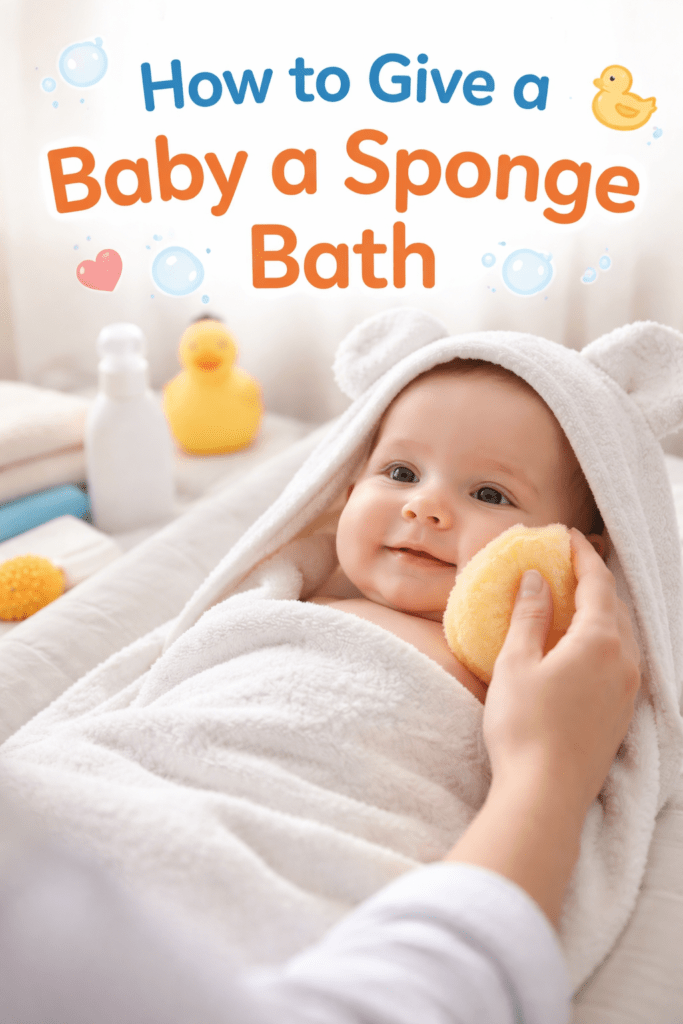
Giving your baby a sponge bath can feel intimidating at first, especially for new parents. But think of it like learning to ride a bicycle—once you get the balance right, it becomes second nature. A sponge bath is a gentle and safe way to keep your baby clean before they are ready for regular tub baths. It’s not about perfection; it’s about comfort, safety, and bonding. Babies don’t need daily baths like adults, and their delicate skin requires extra care. In this guide, I’ll walk you through everything you need to know, step by step, in plain and simple language. By the end, you’ll feel confident, calm, and ready to make sponge bath time a warm and soothing experience for your little one.
What Is a Sponge Bath for Babies?
A sponge bath for babies is a gentle method of cleaning your baby using a soft cloth or sponge instead of placing them in a tub of water. This type of bath is especially recommended for newborns whose umbilical cord stump has not yet fallen off. The main purpose of a sponge bath is to keep your baby clean without soaking sensitive areas. Think of it as spot-cleaning with love. You clean one small area at a time while keeping the rest of your baby warm and dry. This approach reduces the risk of infections and prevents the baby from getting cold. Sponge baths are also perfect for parents who are still gaining confidence in handling their newborn. It allows you to clean your baby thoroughly while maintaining full control and ensuring safety throughout the process.
When Should You Give a Baby a Sponge Bath?
You should give your baby a sponge bath from birth until the umbilical cord stump naturally falls off and heals completely. This usually takes one to three weeks after birth. During this time, doctors strongly recommend avoiding tub baths to prevent moisture from slowing the healing process. Sponge baths are also ideal if your baby has had a circumcision or minor skin irritation. As for frequency, two to three sponge baths per week are usually enough. Babies don’t get dirty easily, and overbathing can dry out their skin. On non-bath days, you can simply clean their face, hands, neck folds, and diaper area. Always choose a time when your baby is calm and alert—not hungry or overly sleepy—for the best experience.
Benefits of Giving a Baby a Sponge Bath
Sponge baths offer several benefits, especially during the early days of your baby’s life. First, they are extremely gentle on delicate newborn skin, which is thinner and more sensitive than adult skin. Second, sponge baths help lower the risk of infections by keeping healing areas like the umbilical cord dry. Third, they provide a wonderful bonding opportunity. Your baby recognizes your touch, voice, and warmth, which builds trust and emotional connection. Another big advantage is control—you can clean specific areas without fully undressing your baby. This helps maintain body temperature and keeps your baby comfortable. Sponge baths are also practical, requiring minimal equipment and space, making them perfect for small homes or travel situations.
Things You Need Before Giving a Baby a Sponge Bath
Preparation is half the job done. Before starting a sponge bath, gather all your supplies so you never have to leave your baby unattended. You’ll need a soft washcloth or sponge, a bowl of warm water, mild baby soap, a clean towel, fresh clothes, and a clean diaper. Choose a warm, draft-free room and lay your baby on a flat, padded surface like a changing table or bed. The water should be warm—not hot—similar to body temperature. Keep everything within arm’s reach. This setup helps the bath go smoothly and keeps your baby safe and comfortable. Think of it like setting up ingredients before cooking; once everything is ready, the process becomes stress-free and enjoyable.
How to Prepare Your Baby for a Sponge Bath

Timing matters more than you think. Choose a time when your baby is relaxed and content, such as after a nap or feeding. Undress your baby gently, leaving the diaper on at first to keep them comfortable. Wrap them in a soft towel and uncover only the area you are cleaning. Talk or sing softly to reassure your baby—it works like magic. Babies feel secure when they hear familiar voices. Make sure your hands are warm before touching your baby. Preparation isn’t just physical; it’s emotional too. When you stay calm and confident, your baby feels it. A relaxed parent creates a relaxed baby, making the sponge bath a pleasant experience for both of you.
Step-by-Step Guide on How to Give a Baby a Sponge Bath
Start with the face. Dip the washcloth in warm water, wring it out, and gently wipe your baby’s face—no soap needed. Clean around the eyes from the inner corner outward using a clean section of the cloth for each eye. Next, wash the scalp and neck folds. Move down to the arms, chest, and back, using mild baby soap if needed. Keep your baby covered and uncover one area at a time. Finally, clean the diaper area last, wiping from front to back to avoid infections. Rinse with a clean cloth and pat dry gently. The entire process should be slow, gentle, and filled with loving touches.
How to Clean Baby’s Umbilical Cord During Sponge Bath
Umbilical cord care is crucial during sponge baths. Always keep the cord stump dry. Use a clean, damp cotton swab or cloth to gently clean around the base if needed, then pat dry. Never submerge the stump in water or apply alcohol unless directed by your pediatrician. Let the cord air-dry naturally. Avoid pulling or tugging at it—it will fall off on its own when ready. Keeping the area clean and dry reduces the risk of infection and promotes faster healing. Think of the cord stump like a healing wound; gentle care and patience are key. If you notice redness, foul odor, or discharge, consult your doctor immediately.
Safety Tips While Giving a Baby a Sponge Bath
Safety should always come first. Never leave your baby unattended, even for a second. Always support your baby’s head and neck. Check water temperature with your wrist before use. Avoid slippery surfaces and keep your grip secure but gentle. Use only baby-safe products—adult soaps can irritate delicate skin. Keep the bath short to prevent your baby from getting cold. Dry your baby thoroughly, especially in skin folds, to avoid rashes. These small precautions make a big difference. Sponge bathing is safe and simple when done with attention and care, turning bath time into a stress-free routine.
Common Mistakes Parents Make During Sponge Bath
One common mistake is bathing the baby too often. Overbathing can strip natural oils and cause dry skin. Another mistake is using too much soap or scented products. Babies don’t need bubbles or fragrance—simple is better. Some parents also rush the process, which can make babies fussy. Remember, this is not a race. Taking your time helps your baby feel secure. Using cold water or exposing too much skin at once can also cause discomfort. Learning from these mistakes early makes sponge bathing smoother and more enjoyable over time.
How Long Should a Baby Sponge Bath Take?
A baby sponge bath should ideally take 5 to 10 minutes. That’s enough time to clean your baby without causing discomfort or chills. Watch your baby’s cues—if they start crying, shivering, or turning red, it may be time to stop. Short, gentle baths are more effective than long ones. Think quality over quantity. As you gain confidence, you’ll naturally find a rhythm that works for both you and your baby. Keeping baths short also helps maintain your baby’s natural skin moisture, which is essential for healthy skin development.
Sponge Bath vs Tub Bath: When to Switch
You can switch from sponge baths to tub baths once the umbilical cord stump has fallen off and healed completely. This usually happens within the first few weeks. Tub baths allow more freedom and fun but require extra caution. Start slow—use a small baby tub and minimal water. The transition should feel natural, not rushed. Sponge baths lay the foundation by helping your baby get used to water and touch. When the time comes, tub baths will feel like the next exciting chapter rather than a big leap.
Tips to Keep Your Baby Calm During a Sponge Bath
Keeping your baby calm is all about comfort and connection. Maintain eye contact, talk softly, or sing a familiar lullaby. Warm towels and gentle strokes go a long way. Some babies enjoy a pacifier during the bath. A calm environment with low noise and soft lighting also helps. Think of bath time as a mini spa session for your baby—slow, soothing, and full of love. When your baby associates baths with comfort, they’ll be more relaxed and cooperative over time.
Sponge Bath for Premature Babies
Premature babies need extra care during sponge baths. Their skin is even more delicate, and they lose heat quickly. Always consult your pediatrician before bathing a premature baby. Keep the room extra warm and limit bath time to just a few minutes. Use only plain water unless advised otherwise. Gentle handling is essential. Sponge baths for premature babies are more about hygiene than routine. With proper care and guidance, sponge bathing can still be a safe and comforting experience for these little fighters.
Pediatrician-Approved Sponge Bath Tips
Most pediatricians agree that sponge baths are the safest option for newborns. They recommend using fragrance-free, hypoallergenic products and limiting bath frequency. Always follow your baby’s cues and consult your doctor if you notice skin issues. Pediatricians also stress the importance of keeping the umbilical cord dry and avoiding unnecessary products. Simple routines work best. When in doubt, less is more. These expert-approved tips help ensure your baby’s skin stays healthy and protected during the early weeks.
Conclusion
Learning how to give a baby a sponge bath is a beautiful milestone in your parenting journey. It’s not just about cleaning—it’s about bonding, comfort, and care. With the right preparation, gentle touch, and a calm mindset, sponge baths become a cherished routine rather than a stressful task. Remember, every baby is different, and it’s okay to learn as you go. Trust yourself, follow safety guidelines, and enjoy these quiet moments with your little one. Before you know it, you’ll be a pro.
FAQs
1. How often should I give my newborn a sponge bath?
Two to three times a week is enough unless your baby gets dirty.
2. Can I use soap during a sponge bath?
Yes, but only mild, fragrance-free baby soap and not every time.
3. Is sponge bath safe for babies with sensitive skin?
Absolutely. Sponge baths are ideal for sensitive skin when done gently.
4. What if my baby cries during a sponge bath?
Pause, comfort your baby, and try again later. Crying is normal at first.
5. When should I stop giving sponge baths?
Once the umbilical cord stump falls off and heals completely.