
Teenagers often have very busy schedules filled with school, homework, sports, and social activities. Because of this, many teens skip meals or rely on fast food and processed snacks that are quick but not always healthy. However, proper nutrition is essential during the teenage years because the body is growing and needs the right fuel to stay strong and active. Eating balanced meals with fruits, vegetables, proteins, and whole grains can improve energy, concentration, and overall health. Even with a busy routine, teenagers can build better habits by planning simple meals, choosing healthy snacks, and drinking enough water throughout the day.
So Lets Discover healthy eating tips for busy teenagers, including quick meals, nutritious snacks, and simple habits to stay energized, focused, healthy every day.
Why Healthy Eating Tips Matters for Teenagers
Teenage years are a whirlwind of school, homework, sports, friendships, and social media. With such busy schedules, it’s easy for teenagers to grab quick snacks, skip meals, or rely heavily on fast food. But here’s the reality: what teenagers eat during these years significantly impacts their growth, energy levels, and long-term health. Healthy eating is not about strict diets or counting calories. It’s about giving the body the right fuel to perform well every day.
During adolescence, the body goes through rapid growth and development. Teenagers require more calories and nutrients than younger children because their bones, muscles, and organs are still developing. According to nutrition guidelines, teens aged 14–18 typically need 1,800–2,400 calories per day for girls and 2,000–3,200 calories for boys depending on activity levels. These calories should ideally come from nutrient-dense foods such as fruits, vegetables, whole grains, and lean proteins rather than sugary snacks or ultra-processed foods.
Healthy eating also affects mental focus and academic performance. Imagine trying to run a car without fuel—it simply won’t work properly. The same applies to the brain. A balanced diet provides steady energy, improves concentration in school, and helps regulate mood. Teens who regularly consume nutritious meals tend to have better stamina, improved memory, and higher productivity in their daily activities.
Another important factor is long-term health. Eating habits developed during adolescence often continue into adulthood. If teenagers learn healthy habits early, they are far more likely to maintain them later in life. This reduces the risk of obesity, heart disease, and other chronic health conditions.
Simply put, healthy eating is not just about looking good—it’s about feeling energized, staying focused, and building a strong foundation for the future.
Common Challenges Busy Teenagers Face With Healthy Eating
Healthy eating sounds simple in theory, but for busy teenagers, it can feel like an uphill battle. Between early school mornings, after-school activities, and late-night homework sessions, many teens struggle to maintain balanced eating habits. Understanding these challenges is the first step toward finding practical solutions.
One of the biggest issues teenagers face is time pressure. Mornings can be chaotic, often leading teens to skip breakfast or grab something sugary on the way to school. Skipping meals may seem harmless, but it can cause energy crashes later in the day. When hunger builds up, teenagers are more likely to overeat unhealthy snacks or fast food.
Another challenge is the convenience of ultra-processed foods. Chips, candy, instant noodles, and sugary drinks are cheap, widely available, and require no preparation. Studies show that many teenagers consume a large portion of their daily calories from processed foods, which are typically high in sugar, salt, and unhealthy fats. These foods provide quick energy but lack essential nutrients needed for growth.
Peer influence also plays a significant role. Teenagers often eat what their friends eat, especially during school breaks or social gatherings. If the group frequently chooses pizza, soda, or fried snacks, it becomes harder for individuals to make healthier choices.
Technology and lifestyle habits add another layer of difficulty. Many teenagers spend long hours on smartphones or computers, leading to mindless snacking while studying or gaming. This often results in consuming more calories without even realizing it.
Despite these obstacles, healthy eating is still achievable. The key lies in simple strategies that fit into a busy lifestyle—quick meals, smart snack choices, and better planning. Small changes can make a big difference in building sustainable habits.
Essential Nutrients Teenagers Need

Teenagers need a variety of nutrients to support their rapidly growing bodies. During adolescence, bones lengthen, muscles develop, and hormones change dramatically. Without the right nutrients, the body cannot perform these processes efficiently. That’s why a balanced diet is essential.
The first group of nutrients teenagers need is macronutrients, which include carbohydrates, protein, and healthy fats. Carbohydrates are the body’s primary energy source and should provide about 45–65% of daily calories. Whole grains such as brown rice, oats, and whole-wheat bread are excellent sources because they release energy slowly, keeping teens energized throughout the day.
Protein is equally important because it helps build and repair tissues. Growing muscles, organs, and immune systems rely heavily on protein. Good sources include eggs, chicken, fish, beans, lentils, yogurt, and nuts. Experts recommend that teenagers include a protein source in every meal and snack to maintain steady energy levels.
Healthy fats are often misunderstood. While excessive unhealthy fats should be avoided, the body still needs fats for brain development and hormone production. Foods like avocados, nuts, seeds, and olive oil provide beneficial fats that support overall health.
In addition to macronutrients, teenagers require micronutrients such as vitamins and minerals. Calcium is essential for strong bones, while iron supports healthy blood and prevents fatigue. Fruits and vegetables supply vitamins like vitamin C and vitamin A, which strengthen immunity and support healthy skin.
Fiber is another crucial component often overlooked. Teenagers should consume about 22–34 grams of fiber daily, depending on age and gender. Fiber helps digestion, supports gut health, and keeps teens feeling full longer.
A balanced diet rich in these nutrients ensures that teenagers grow stronger, stay active, and maintain optimal health.
Healthy Eating Tips for Busy Teenagers
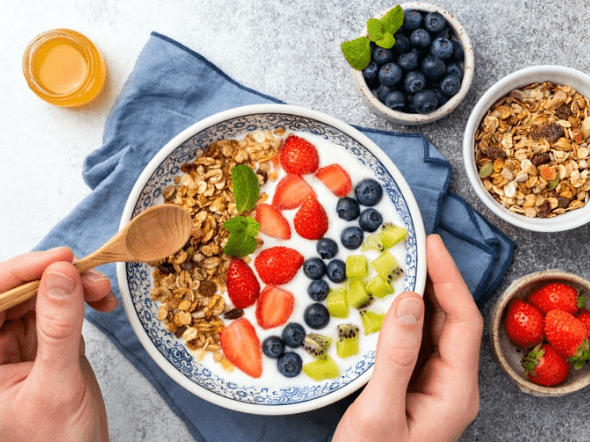
Never Skip Breakfast
Breakfast is often called the most important meal of the day, and for teenagers, this couldn’t be more true. After a long night of sleep, the body needs energy to kick-start the day. Skipping breakfast is like trying to start a marathon without warming up—it simply doesn’t work well.
Many teenagers skip breakfast because they feel rushed in the morning. However, this habit can lead to fatigue, irritability, and difficulty concentrating in class. When the body doesn’t receive morning fuel, blood sugar levels drop, making it harder to focus and retain information.
The good news is that breakfast doesn’t have to be complicated. Even a quick meal can make a huge difference. Healthy breakfast ideas include:
- Oatmeal with fruits and nuts
- Whole-grain toast with peanut butter
- Yogurt with granola and berries
- Smoothies made with milk, banana, and oats
These meals provide a balanced mix of carbohydrates, protein, and healthy fats. This combination keeps energy levels stable throughout the morning and prevents mid-morning hunger.
Plan Quick and Healthy Snacks
Busy teenagers often feel hungry between meals, especially after school or sports practice. Instead of reaching for chips or candy, planning healthier snacks can make a big difference in overall nutrition.
Healthy snacks should ideally include both protein and carbohydrates. This combination provides quick energy while keeping teens full for longer periods.
Some easy snack ideas include:
- Apple slices with peanut butter
- Greek yogurt with honey
- Nuts and dried fruit mix
- Whole-grain crackers with cheese
- Banana with almond butter
These snacks are not only nutritious but also convenient to carry in a backpack or lunchbox.
Stay Hydrated Throughout the Day
Water is one of the most overlooked aspects of healthy eating. Teenagers often replace water with sugary drinks such as soda, energy drinks, or sweetened coffee beverages. While these drinks may taste appealing, they contain high amounts of added sugar that can negatively impact health.
Drinking enough water helps regulate body temperature, improve concentration, and maintain energy levels. Dehydration can cause headaches, fatigue, and reduced physical performance.
A simple strategy is to carry a reusable water bottle throughout the day. Drinking water regularly—especially during school and sports—helps maintain hydration and supports overall health.
Choose Balanced Meals
A balanced meal should include a variety of food groups. Instead of focusing on a single nutrient, teenagers should aim for a combination of protein, carbohydrates, healthy fats, and vegetables.
One simple approach is the balanced plate method:
- Half the plate: vegetables and fruits
- One quarter: whole grains
- One quarter: protein sources
This method ensures that meals provide a wide range of nutrients while keeping portion sizes reasonable.
Quick Healthy Meal Ideas for Teens
Busy schedules often make it difficult for teenagers to prepare meals. However, healthy meals can still be quick and simple with the right ideas.
Simple Breakfast Ideas
A healthy breakfast sets the tone for the entire day. Quick options include overnight oats, fruit smoothies, or scrambled eggs with whole-grain toast. These meals take only a few minutes to prepare but provide long-lasting energy.
Easy Lunch Options
Lunch is essential for maintaining focus during afternoon classes. Simple lunch ideas include grilled chicken wraps, vegetable sandwiches, quinoa salads, or rice bowls with vegetables and lean protein.
Quick Dinner Choices
Dinner should replenish energy after a long day. Healthy dinner options include stir-fried vegetables with chicken, baked fish with rice, or whole-grain pasta with tomato sauce and vegetables.
| Meal Type | Healthy Example | Key Nutrients |
|---|---|---|
| Breakfast | Oatmeal with berries | Fiber, carbs |
| Lunch | Chicken wrap with vegetables | Protein, vitamins |
| Dinner | Grilled fish with rice | Protein, healthy fats |
| Snack | Yogurt with fruit | Protein, calcium |
These meals are simple, nutritious, and easy to prepare even with a busy schedule.
Smart Habits to Maintain Healthy Eating
Healthy eating isn’t just about choosing the right foods—it’s also about building consistent habits. Teenagers who develop good eating routines are more likely to maintain them throughout their lives.
One powerful habit is meal preparation. Spending a little time planning meals for the week can save a lot of stress later. Preparing snacks or simple meals in advance ensures that healthy options are always available.
Another important habit is limiting sugary drinks and ultra-processed foods. Diets high in added sugar and refined grains have been linked to health problems such as obesity and heart disease. Reducing these foods doesn’t mean eliminating them completely, but moderation is key.
Family meals also play a positive role in healthy eating. When families eat together, teenagers are more likely to consume balanced meals that include vegetables, lean proteins, and whole grains.
Finally, teenagers should listen to their bodies. Eating when hungry and stopping when full helps maintain a healthy relationship with food.
Conclusion
Healthy eating for busy teenagers doesn’t require complicated diets or strict rules. It simply means choosing foods that nourish the body and provide the energy needed for daily activities. By prioritizing balanced meals, planning healthy snacks, and staying hydrated, teenagers can maintain strong physical and mental health even with packed schedules.
Small changes—like eating breakfast, carrying healthy snacks, or drinking more water—can create lasting habits. Over time, these habits build a foundation for lifelong wellness, helping teenagers grow stronger, stay focused, and thrive in every aspect of their lives.
FAQs
1. Why is healthy eating important for teenagers?
Healthy eating supports growth, improves concentration, boosts energy, and reduces the risk of chronic diseases later in life.
2. What is a healthy snack for teenagers?
Good options include yogurt with fruit, nuts and dried fruits, apple slices with peanut butter, or whole-grain crackers with cheese.
3. How many calories do teenagers need daily?
Teen girls usually need about 1,800–2,400 calories per day, while boys may require 2,000–3,200 depending on activity levels.
4. Should teenagers avoid fast food completely?
Not necessarily. Fast food can be enjoyed occasionally, but it should not replace balanced meals made with whole foods.
5. What is the easiest way for busy teens to eat healthy?
Planning simple meals, carrying healthy snacks, and drinking plenty of water are the easiest ways to maintain healthy eating habits.