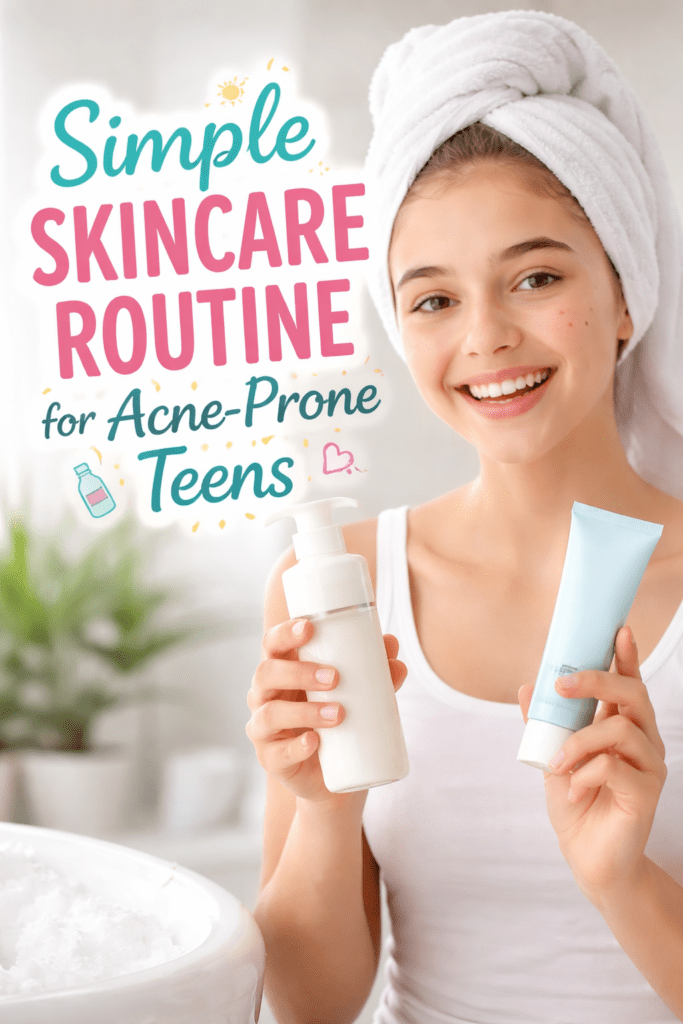
Acne is one of the most common skin concerns for teenagers, and I often see how confusing skincare can feel at this stage. With so many products, trends, and advice online, it’s easy to overdo things or choose the wrong routine. The truth is, acne-prone skin doesn’t need complicated steps—it needs consistency, gentle care, and the right ingredients.
During the teenage years, hormonal changes increase oil production, which can clog pores and lead to breakouts. However, using harsh products or skipping skincare altogether can make acne worse. That’s why building a simple, effective routine is the best approach.
In this guide, I’ll walk through a beginner-friendly skincare routine designed specifically for teens with acne-prone skin. It focuses on easy steps, affordable products, and habits that actually work—without overwhelming you.
Understanding Acne-Prone Skin in Teens
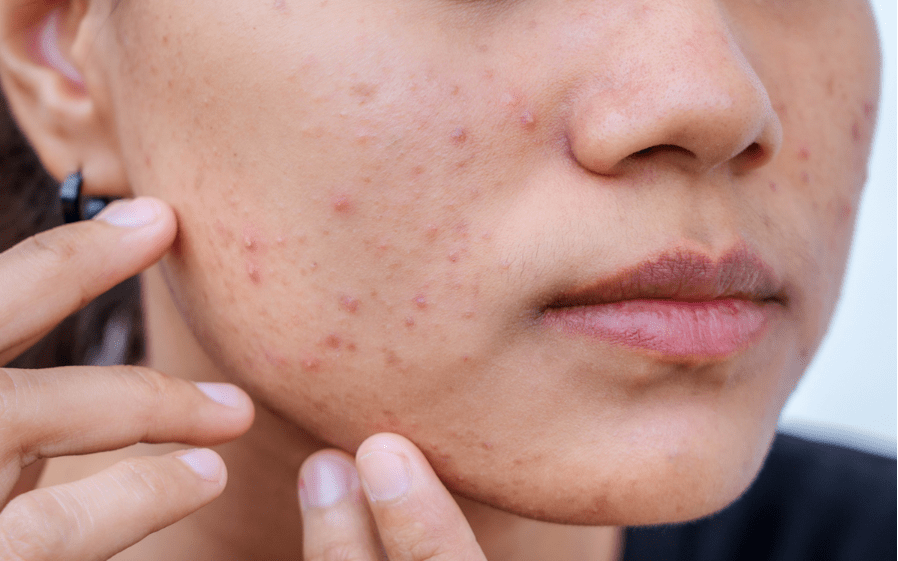
Before building a routine, I think it’s important to understand why acne happens. Teenage skin produces more oil (sebum), which mixes with dead skin cells and bacteria, clogging pores. This leads to blackheads, whiteheads, and pimples.
Common triggers include:
- Hormonal changes during puberty
- Excess oil production
- Poor skincare habits
- Touching the face frequently
- Stress and diet (in some cases)
Not all acne is the same. Some teens have mild breakouts, while others experience more persistent acne. Knowing your skin type—oily, dry, or combination—helps in choosing the right products.
The key takeaway here is that acne is normal, and it can be managed with a consistent routine rather than aggressive treatments.
Step-by-Step Simple Skincare Routine
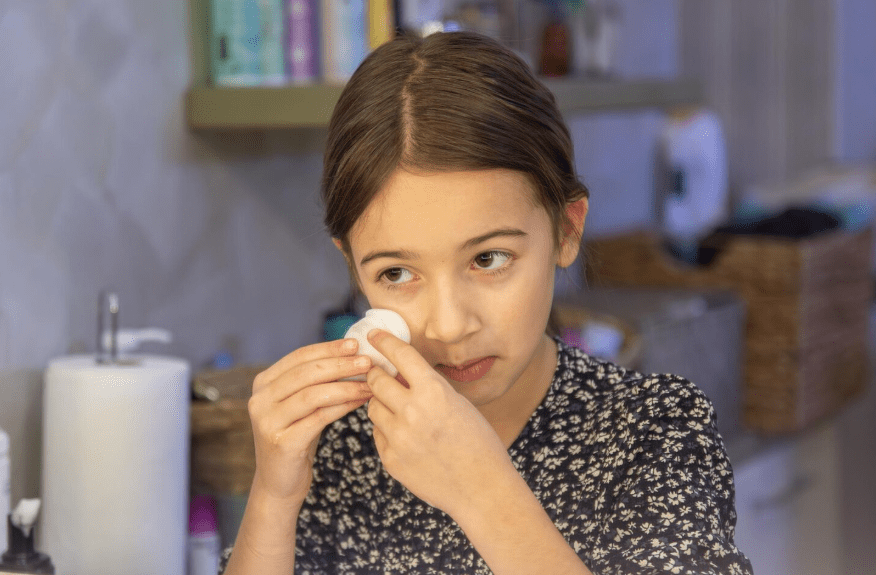
1. Gentle Cleanser (Morning & Night)
I always recommend starting with a mild, gentle cleanser. Washing your face twice a day removes dirt, oil, and sweat without stripping the skin.
Look for:
- Gel or foam-based cleansers
- Ingredients like salicylic acid (for acne control)
- Fragrance-free formulas
Avoid:
- Harsh scrubs
- Over-washing (more than twice daily)
2. Lightweight Moisturizer (Daily)
Many teens skip moisturizer, thinking it makes skin oilier—but that actually backfires. When skin is dry, it produces more oil, which can worsen acne.
Choose:
- Oil-free or “non-comedogenic” moisturizer
- Lightweight gel or lotion texture
This keeps skin balanced and helps reduce irritation from acne treatments.
3. Targeted Acne Treatment
For active breakouts, I suggest using a simple treatment product.
Best beginner ingredients:
- Salicylic acid (clears pores)
- Benzoyl peroxide (kills acne-causing bacteria)
Use only a small amount on affected areas, once daily at first to avoid dryness.
4. Sunscreen (Morning Essential)
This step is often ignored, but I consider it crucial. Sun exposure can worsen acne marks and irritation.
Pick:
- SPF 30 or higher
- Oil-free, lightweight sunscreen
Daily use helps protect skin and prevent dark spots from acne scars.
Weekly Add-Ons (Optional but Helpful)
1. Clay Mask (1–2 times/week)
Helps absorb excess oil and unclog pores.
2. Gentle Exfoliation
Use a chemical exfoliant like salicylic acid once or twice weekly. Avoid physical scrubs—they can irritate acne.
Common Skincare Mistakes Teens Should Avoid
I often see teens making these mistakes, which can worsen acne:
- Using too many products at once
- Picking or popping pimples
- Skipping moisturizer
- Changing products too frequently
- Expecting overnight results
Consistency matters more than trying every trending product.
Lifestyle Tips for Clearer Skin
Skincare works best when combined with healthy habits:
- Wash pillowcases regularly
- Avoid touching your face
- Stay hydrated
- Eat a balanced diet
- Manage stress
These small changes can make a noticeable difference over time.
When to See a Dermatologist
If acne becomes severe, painful, or doesn’t improve after a few months, I recommend seeing a dermatologist. Professional treatment can prevent scarring and provide faster results.
Conclusion
Building a simple skincare routine for acne-prone teens doesn’t have to be complicated. I always suggest focusing on the basics: cleansing, moisturizing, treating acne, and protecting the skin with sunscreen. With patience and consistency, most teens can see real improvement.
The goal isn’t perfect skin—it’s healthy skin. And starting with the right habits early can make a lasting difference.
Frequently Asked Questions (FAQs)
1. How often should teens wash their face if they have acne?
I recommend washing the face twice a day—once in the morning and once before bed. Over-washing can irritate the skin and increase oil production, potentially worsening acne.
2. Can teens skip moisturizer if they have oily skin?
No, skipping moisturizer can actually make acne worse. I suggest using a lightweight, oil-free moisturizer to keep the skin balanced and prevent excess oil production.
3. How long does it take to see results from a skincare routine?
I usually tell teens to be patient. It can take 4–6 weeks to notice visible improvements. Consistency is more important than quick results.
4. Is it okay to pop pimples?
I strongly advise against popping pimples. It can lead to scarring, infection, and more breakouts. It’s better to use spot treatments instead.
5. What ingredients should teens look for in acne products?
I recommend beginner-friendly ingredients like salicylic acid and benzoyl peroxide. These help unclog pores and reduce acne-causing bacteria.
6. Can diet affect teenage acne?
In some cases, yes. I’ve seen that sugary foods and dairy may trigger breakouts for some teens, but it varies from person to person.
7. Do teens need sunscreen if they have acne?
Yes, absolutely. I always suggest using an oil-free sunscreen daily to prevent dark spots and protect sensitive skin.