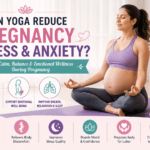
Pregnancy is an exciting journey, but it can also bring emotional challenges. Many women experience anxiety during pregnancy due to physical changes, hormonal shifts, and concerns about the baby’s health or the future. While occasional worry is normal, persistent anxiety can affect both the mother’s wellbeing and the baby’s development. Understanding pregnancy anxiety is the first step toward managing it effectively. By recognizing the causes, identifying early signs, and using healthy coping strategies, expecting mothers can maintain emotional balance and enjoy a healthier pregnancy experience.
In this guide, I explain the common causes of pregnancy anxiety, the symptoms to watch for, and practical ways to manage stress during this important stage of life.
Causes of Pregnancy Anxiety
Pregnancy anxiety can arise from several emotional and physical factors. Hormonal changes during pregnancy can affect mood and increase feelings of stress or worry. Many women feel anxious about their baby’s health, childbirth, or their ability to care for a newborn.
First-time mothers often experience uncertainty because everything is new and unfamiliar. Financial concerns, relationship stress, or lack of family support may also contribute to anxiety. Previous pregnancy complications or miscarriage can increase fear during a new pregnancy. Additionally, changes in body image, sleep disturbances, and physical discomfort can make emotions more intense. Understanding these triggers helps pregnant women recognize that anxiety is common and manageable with the right support and care.
Signs and Symptoms of Pregnancy Anxiety

Recognizing the symptoms of anxiety during pregnancy is important for early support and treatment. Emotional signs may include constant worry, fear about the baby’s health, irritability, or feeling overwhelmed. Some women may have difficulty concentrating or experience frequent negative thoughts. Physical symptoms can also appear, such as a rapid heartbeat, muscle tension, headaches, or trouble sleeping.
Digestive problems, fatigue, and restlessness are also common signs. In some cases, anxiety may lead to panic attacks or excessive concern about everyday situations. If these symptoms occur frequently or interfere with daily life, it is important to seek guidance from a healthcare professional. Early support can help manage anxiety and promote a healthier pregnancy.
Coping Strategies for Pregnancy Anxiety
Managing anxiety during pregnancy is possible with simple and healthy lifestyle changes. Practicing relaxation techniques such as deep breathing, meditation, or prenatal yoga can help calm the mind and reduce stress. Regular physical activity, when approved by a doctor, can improve mood and overall wellbeing. Maintaining a balanced diet and getting enough sleep also support emotional health.
Talking openly with a partner, family member, or friend can provide comfort and reassurance. Some women benefit from joining pregnancy support groups where they can share experiences with other expecting mothers. Limiting exposure to stressful information online and focusing on positive pregnancy education can also help reduce fear. If anxiety becomes overwhelming, professional counseling or therapy may provide valuable guidance and support.
When to Seek Professional Help
While mild anxiety is common during pregnancy, persistent or severe symptoms should not be ignored. If anxiety interferes with sleep, appetite, relationships, or daily activities, professional support may be necessary. A doctor, midwife, or mental health professional can evaluate the situation and recommend appropriate treatment. Therapy, counseling, or guided stress management programs are often helpful.
In some cases, healthcare providers may discuss safe medical options if anxiety significantly affects wellbeing. Seeking help is not a sign of weakness; it is an important step toward protecting both maternal and baby health. Early care can prevent anxiety from worsening and ensure a healthier pregnancy journey.
Conclusion
Pregnancy anxiety is a common experience for many expecting mothers. Hormonal changes, lifestyle adjustments, and concerns about the future can all contribute to feelings of stress. By understanding the causes, recognizing the symptoms, and practicing healthy coping strategies, women can better manage anxiety during pregnancy. Support from family, friends, and healthcare professionals plays a crucial role in maintaining emotional wellbeing. With the right care and mindset, mothers can navigate pregnancy with greater confidence, calmness, and positivity.
Frequently Asked Questions (FAQ)
1. Is anxiety normal during pregnancy?
Yes, mild anxiety is common during pregnancy because of hormonal changes and life adjustments.
2. Can pregnancy anxiety affect the baby?
Severe or long-term anxiety may affect maternal health, which is why managing stress is important.
3. How can I calm anxiety during pregnancy?
Relaxation techniques, exercise, healthy sleep, and emotional support can help reduce anxiety.
4. Should I talk to my doctor about pregnancy anxiety?
Yes. If anxiety becomes persistent or overwhelming, speaking with a healthcare professional is recommended.