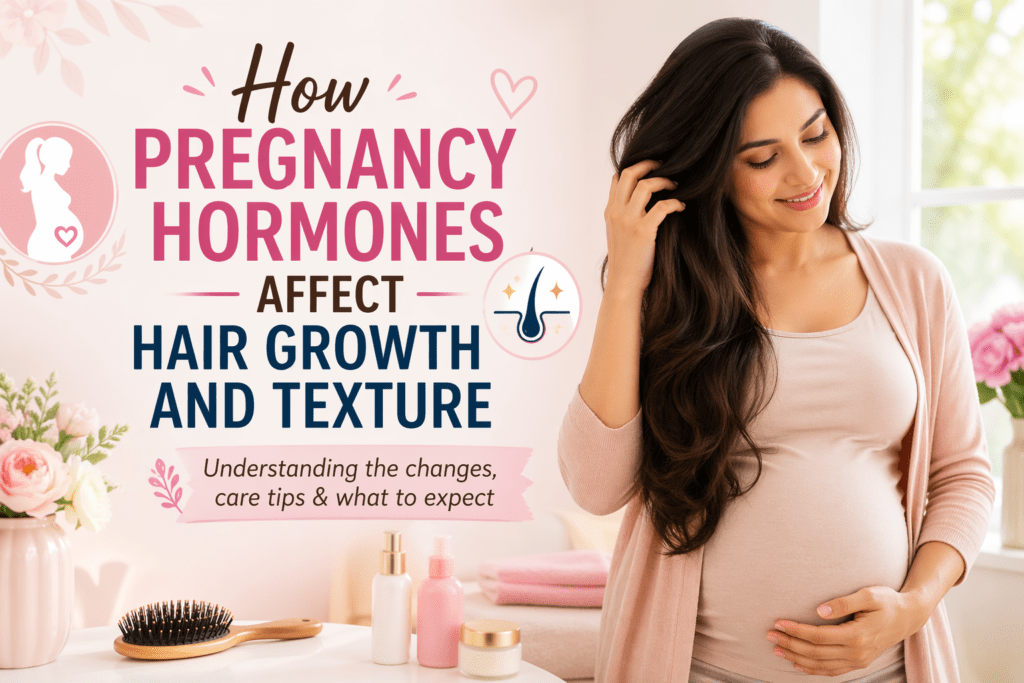
Pregnancy is a beautiful journey filled with exciting changes, and one of the most noticeable transformations often happens to your hair. Many women experience thicker, shinier, and healthier-looking hair during pregnancy, while others may notice unexpected changes in texture, oiliness, or even dryness. These changes are mostly caused by fluctuating hormones that influence the natural hair growth cycle.
Understanding how pregnancy hormones affect hair growth and texture can help expectant mothers feel more prepared for these changes and know what to expect before and after childbirth. From fuller locks during pregnancy to postpartum hair shedding, hormonal shifts play a significant role in the health and appearance of your hair.
In this article, we’ll explore the science behind pregnancy hormones, how they impact hair growth and texture, and tips to keep your hair healthy throughout pregnancy and beyond.
Understanding the Hair Growth Cycle
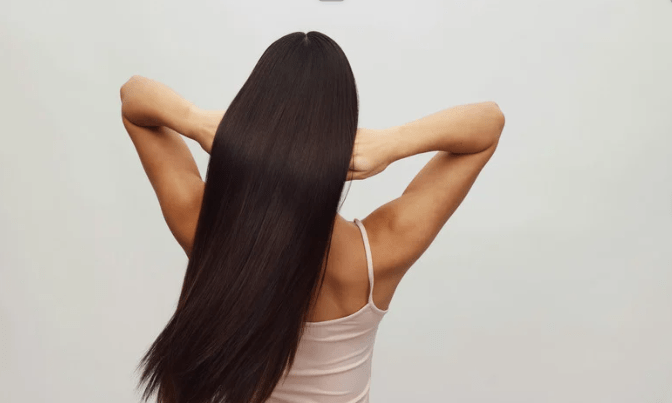
To understand why pregnancy changes your hair, it helps to know how hair normally grows. Hair goes through a natural cycle with three main phases:
1. Anagen Phase (Growth Phase)
This is the active growth stage, where hair grows continuously for two to seven years. Around 85–90% of your hair is usually in this phase at any given time.
2. Catagen Phase (Transition Phase)
This short phase lasts about two to three weeks. Hair follicles shrink and detach from the blood supply.
3. Telogen Phase (Resting and Shedding Phase)
In this phase, hair rests for around three months before falling out and making room for new hair. It’s normal to lose 50–100 hairs per day.
Pregnancy hormones can disrupt this cycle, often keeping hair in the growth phase longer than usual.
Key Pregnancy Hormones That Affect Hair
Several hormones increase or fluctuate during pregnancy, influencing your hair’s thickness, texture, and overall condition.
Estrogen
Estrogen levels rise significantly during pregnancy. This hormone can prolong the anagen (growth) phase, which means fewer hairs enter the shedding phase.
Effects of estrogen on hair:
- Thicker and fuller hair
- Reduced hair shedding
- Shinier appearance
This is why many pregnant women enjoy “pregnancy hair.”
Progesterone
Progesterone helps maintain pregnancy, but it may also affect your scalp and hair follicles.
Effects of progesterone on hair:
- Can slow excessive hair growth in unwanted areas
- May cause dryness or brittleness in some women
- Can alter oil production on the scalp
Androgens
Androgens are male hormones that women also produce in small amounts. Hormonal imbalance can sometimes increase androgen levels.
Effects of androgens on hair:
- Increased body or facial hair
- Oily scalp
- In some cases, thinning hair if follicles are sensitive
Thyroid Hormones
Pregnancy can affect thyroid function, and thyroid hormones play a major role in hair health.
Effects of thyroid imbalance:
- Hair thinning
- Dry, coarse texture
- Increased shedding
If hair loss is severe, thyroid issues may need medical attention.
How Pregnancy Affects Hair Growth
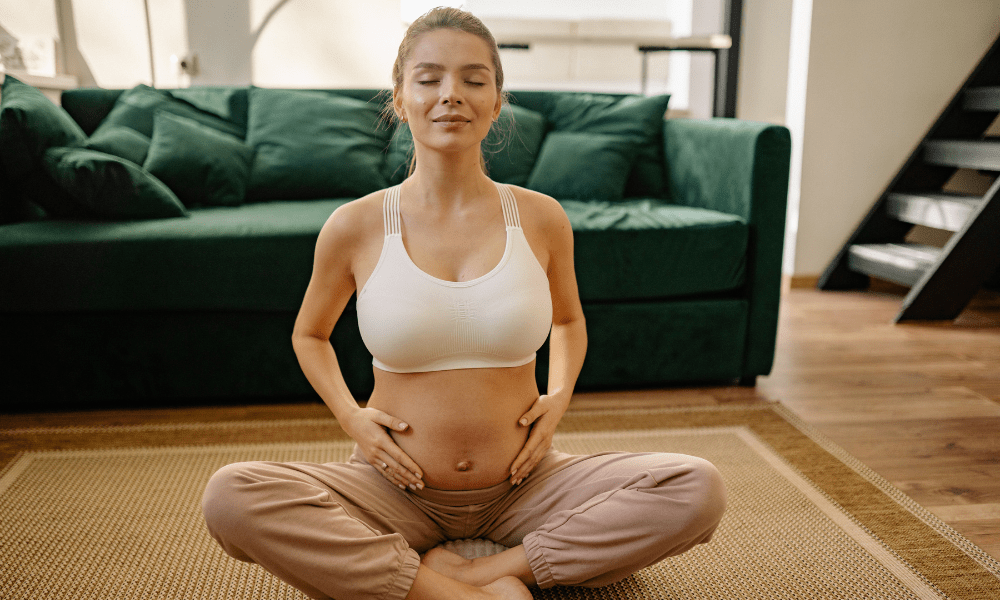
One of the most common changes during pregnancy is faster or fuller hair growth.
Reduced Hair Shedding
Since more hairs stay in the anagen phase, fewer strands fall out daily. This creates the appearance of thicker hair.
Faster Growth Rate
Some women notice their hair grows longer more quickly than usual during pregnancy.
New Hair Growth in Unexpected Places
Hormonal changes may also cause hair to grow on the belly, face, arms, or back. This usually disappears after childbirth.
How Pregnancy Changes Hair Texture
Pregnancy doesn’t just affect growth—it can also change how your hair feels and behaves.
Straighter or Curlier Hair
Hormones can alter the shape of hair follicles, making naturally curly hair straighter or straight hair become wavy.
Increased Dryness
Some women experience dry, frizzy hair due to reduced moisture or changes in oil production.
Oilier Hair
Others may notice an oily scalp because hormones stimulate sebaceous glands.
More Volume and Shine
Increased blood circulation and slower shedding can make hair appear healthier and more voluminous.
Postpartum Hair Loss: What to Expect
After delivery, hormone levels—especially estrogen—drop rapidly. This causes many hairs to enter the telogen phase at once.
Postpartum Shedding
Usually begins around 2–4 months after birth and can last up to 6–12 months.
This condition is called telogen effluvium and is temporary.
Signs include:
- Hair falling out in clumps
- More hair in the shower or on your pillow
- Noticeable thinning around the hairline
Though alarming, this is a normal part of postpartum recovery.
Tips to Care for Your Hair During Pregnancy
Healthy hair starts with healthy habits. Here are some tips to keep your hair looking its best:
Eat a Nutrient-Rich Diet
Focus on foods rich in:
- Protein
- Iron
- Omega-3 fatty acids
- Biotin
- Vitamin D
- Zinc
These nutrients support hair strength and growth.
Use Gentle Hair Products
Choose sulfate-free shampoos and moisturizing conditioners to reduce dryness and breakage.
Avoid Excessive Heat Styling
Limit blow-drying, straightening, or curling to prevent damage.
Be Gentle When Brushing
Use a wide-tooth comb and avoid tight hairstyles that pull on the scalp.
Stay Hydrated
Drinking enough water helps maintain scalp and hair moisture.
When to See a Doctor
While most hair changes are normal, some symptoms may require medical advice:
- Severe or patchy hair loss
- Signs of thyroid issues
- Persistent scalp irritation
- Hair loss lasting longer than one year postpartum
A doctor can check for nutritional deficiencies or hormonal imbalances.
Final Thoughts
Pregnancy hormones can have a powerful effect on hair growth and texture. While many women enjoy thicker, shinier hair during pregnancy, others may notice dryness, oiliness, or texture changes. After childbirth, temporary shedding is common as hormone levels return to normal.
Every pregnancy is different, and so are the changes in your hair. With proper care, a balanced diet, and patience, most hair-related changes improve over time. Understanding these hormonal effects can help you feel more confident and prepared throughout your pregnancy journey.
Frequently Asked Questions (FAQs)
1. Does pregnancy make your hair grow faster?
Yes, pregnancy can make your hair appear to grow faster because higher estrogen levels keep more hair in the growth phase for longer. This also reduces normal shedding, making hair look thicker and fuller.
2. Why does hair become thicker during pregnancy?
Hair often becomes thicker during pregnancy because fewer strands enter the shedding phase. Hormones like estrogen help retain more hair, creating extra volume.
3. Can pregnancy change hair texture?
Yes, pregnancy hormones can change hair texture. Some women notice their hair becomes curlier, straighter, drier, or oilier than usual.
4. Is hair loss after pregnancy normal?
Yes, postpartum hair loss is very common. After childbirth, hormone levels drop, causing many hairs to enter the shedding phase at once. This usually starts 2–4 months after delivery.
5. How long does postpartum hair loss last?
Postpartum hair loss typically lasts between 6 and 12 months. In most cases, hair gradually returns to its normal growth cycle.
6. Can pregnancy cause dry or oily hair?
Yes, hormonal fluctuations can affect oil production in the scalp, making hair feel either dry and brittle or oily and greasy.
7. When should I worry about hair loss during or after pregnancy?
You should consult a doctor if you experience severe, patchy hair loss, scalp irritation, or shedding that continues beyond one year postpartum.