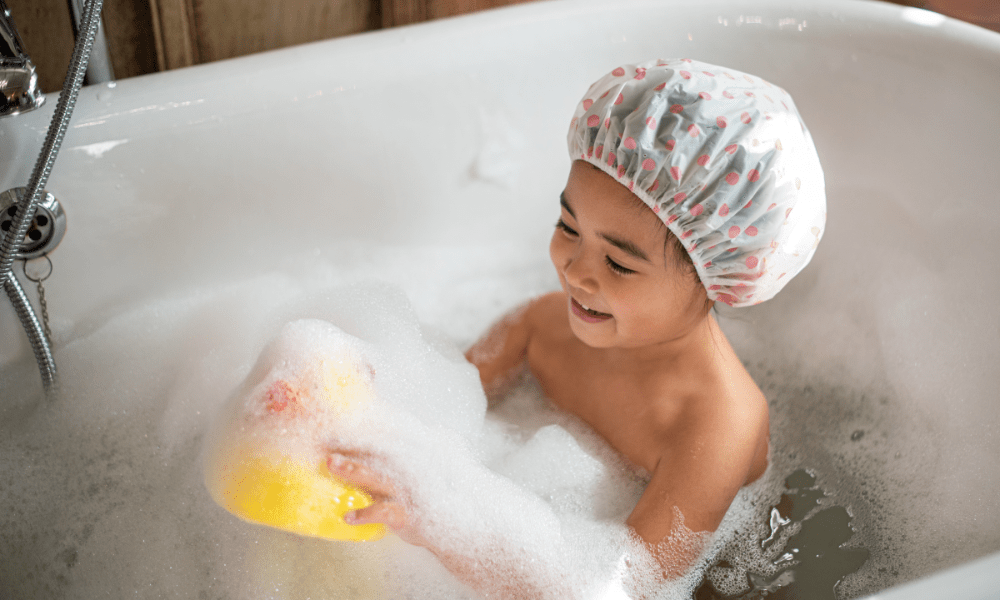
As children grow, parents naturally look for opportunities to encourage independence. One common question many parents ask is, “When should my child start taking a shower alone?” While there is no universal age that applies to every child, understanding the signs of readiness can help parents make the right decision.
Learning to shower independently is an important life skill that builds confidence, responsibility, and personal hygiene habits. However, safety should always remain the top priority. Every child develops at a different pace, so the decision should be based on maturity, understanding of safety rules, and the ability to complete basic shower tasks without assistance.
In this article, we’ll discuss the ideal age range, signs your child is ready, safety precautions, and tips for making the transition smooth and successful.
What Is the Typical Age for Independent Showering?
Most children begin taking showers independently between the ages of 7 and 10 years old. However, age alone should not determine readiness.
Some children may feel comfortable showering alone at age 6 or 7, while others may need parental supervision until age 10 or older. Factors such as maturity, confidence, and ability to follow instructions play a much bigger role than age.
Parents should remember that even if a child showers independently, occasional supervision may still be necessary to ensure proper hygiene and safety.
Signs Your Child Is Ready to Shower Alone
Before allowing your child to shower independently, look for these important signs:
1. They Understand Basic Safety Rules
Your child should know how to:
- Turn the water on and off safely
- Adjust water temperature without making it too hot
- Avoid slipping in the shower
- Handle soap and shampoo properly
2. They Can Follow Multi-Step Instructions
Independent showering involves several steps:
- Wetting the body
- Applying soap
- Washing hair
- Rinsing thoroughly
- Drying off afterward
If your child can consistently follow these steps, they may be ready.
3. They Show Interest in Privacy
As children grow, many begin wanting more privacy during bathing and dressing. This desire can indicate emotional readiness for independent showering.
4. They Demonstrate Responsibility
Children who regularly complete chores, brush their teeth, and follow daily routines without reminders are often better prepared for shower independence.
Safety Considerations Before Allowing Solo Showers
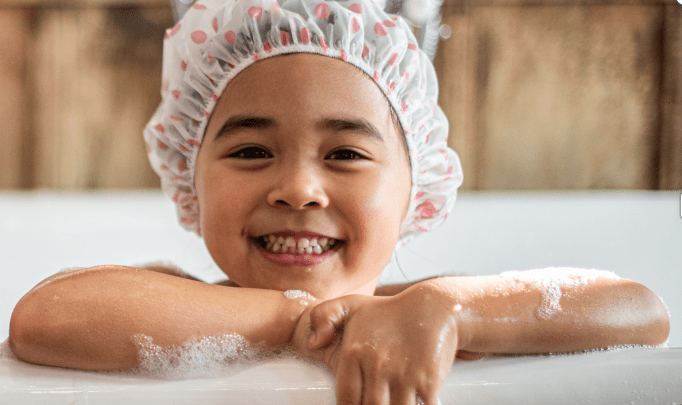
Safety is the most important factor when transitioning to independent showering.
Prevent Slips and Falls
Install:
- Non-slip bath mats
- Grab bars if necessary
- Shower organizers to reduce clutter
Set Water Heater Temperatures
Water that is too hot can cause burns. Consider setting your water heater to a safe temperature recommended by local safety guidelines.
Keep Emergency Communication Available
Younger children should know they can call for help if needed. Parents should remain nearby, especially during the first few weeks.
Remove Dangerous Items
Keep razors, medications, and cleaning products out of children’s reach.
How to Teach Your Child to Shower Independently
Start with Guided Practice
Allow your child to complete most shower tasks while you remain nearby to supervise and provide instructions.
Create a Simple Shower Routine
Teach a consistent order:
- Wet hair and body
- Shampoo hair
- Rinse thoroughly
- Wash body with soap
- Rinse again
- Turn off water
- Dry completely
A routine helps children remember each step.
Use Checklists
Younger children often benefit from a waterproof checklist placed near the shower.
Encourage Questions
Let your child know they can ask for help anytime without feeling embarrassed.
Common Challenges Parents May Notice
Rushing Through Showers
Many children try to finish quickly and may not clean themselves thoroughly.
Solution:
Perform occasional hygiene checks and offer gentle reminders.
Forgetting to Wash Certain Areas
Children often miss areas such as:
- Behind ears
- Neck
- Underarms
- Feet
Continue teaching proper hygiene habits.
Using Too Much Soap or Shampoo
This is common during the learning phase and usually improves with practice.
Should Parents Continue Checking In?
Yes. Independence doesn’t mean complete absence of supervision.
Even after children start showering alone, parents should:
- Ask whether they washed properly
- Check that hair is rinsed thoroughly
- Monitor bathroom safety
- Reinforce hygiene habits
As children mature, these check-ins can gradually become less frequent.
Benefits of Independent Showering
Teaching children to shower alone offers several advantages:
Builds Confidence
Successfully managing personal hygiene helps children feel capable and responsible.
Encourages Independence
Children learn important self-care skills they will use throughout life.
Develops Responsibility
Regular showering teaches accountability and personal health awareness.
Prepares for Adolescence
As children approach puberty, independent hygiene becomes increasingly important.
Conclusion
Most children are ready to start showering independently between ages 7 and 10, but readiness depends more on maturity and responsibility than age alone. Parents should focus on safety, gradual learning, and consistent guidance throughout the transition.
By teaching proper hygiene habits, establishing clear routines, and maintaining appropriate supervision, parents can help children develop confidence and independence while staying safe. Every child is different, so trust your judgment and move at a pace that feels comfortable for both you and your child.
Frequently Asked Questions
Is 6 years old too young to shower alone?
Some 6-year-olds may be capable of handling basic shower tasks, but most still benefit from supervision for safety and hygiene reasons.
Should I leave my child completely unsupervised?
For younger children, it’s best to remain nearby and check in periodically, even if they are showering independently.
How long should a child’s shower take?
Most children can complete a proper shower in about 5–10 minutes, depending on hair length and hygiene needs.
What if my child is afraid to shower alone?
Take a gradual approach. Stay nearby, keep the bathroom door slightly open, and build confidence over time.
How can I make showering more fun for kids?
Colorful towels, gentle kid-friendly soaps, waterproof timers, and positive encouragement can make showering more enjoyable.