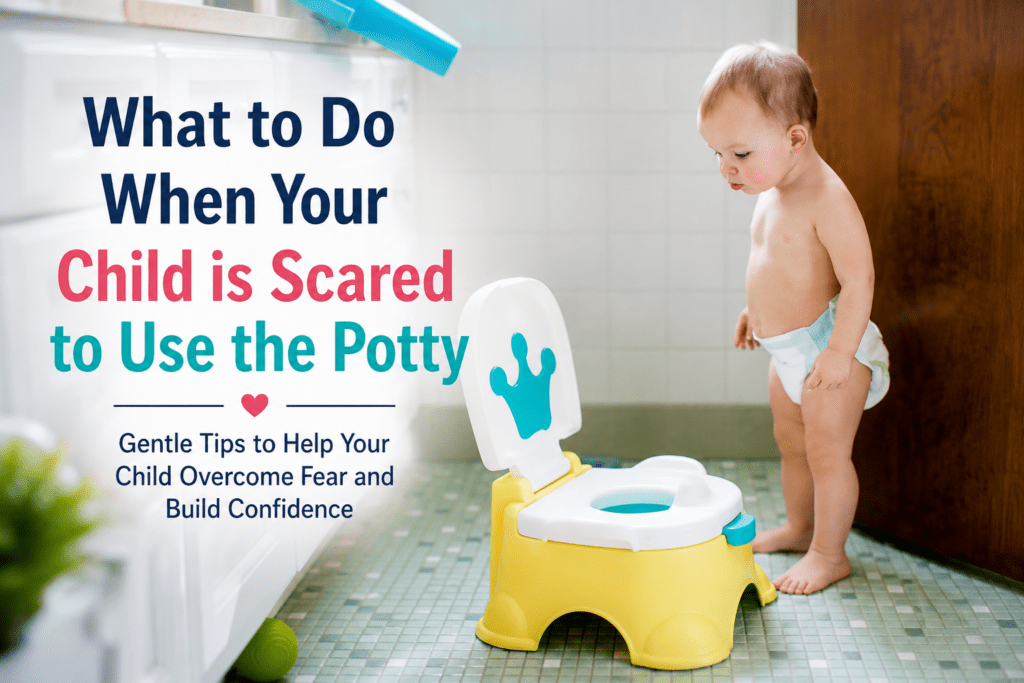
Potty training is a major milestone in a child’s development, but it doesn’t always go as smoothly as parents hope. While some children eagerly embrace the potty, others may feel anxious, fearful, or completely resistant to using it. If your child is scared to use the potty, you’re not alone. Potty-related fears are surprisingly common and are usually a normal part of the learning process.
A child may be afraid of falling into the toilet, hearing the flushing sound, sitting on an unfamiliar seat, or simply trying something new. These fears can lead to frustration for both parents and children, but patience and understanding are key.
The good news is that most potty fears can be overcome with gentle encouragement, consistency, and positive experiences. In this article, we’ll explore why children become afraid of the potty and provide practical strategies to help them gain confidence and successfully transition out of diapers.
Why Are Some Children Afraid of the Potty?
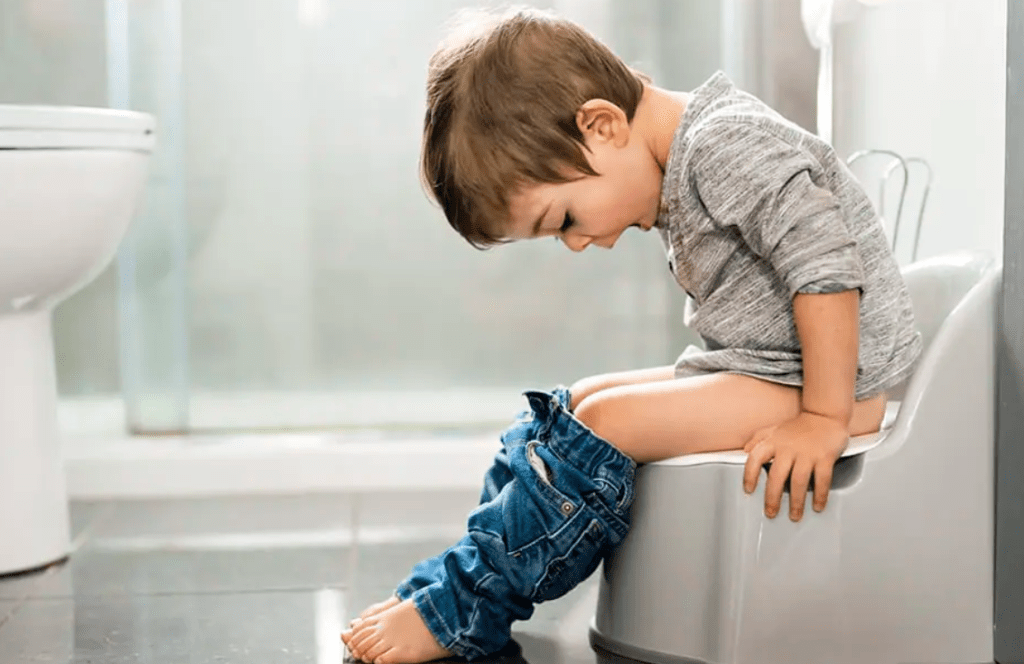
Understanding the root cause of your child’s fear is the first step toward helping them.
Common reasons include:
- Fear of falling into the toilet
- Fear of the flushing sound
- Anxiety about leaving diapers behind
- Previous negative potty experiences
- Fear of bowel movements
- Sensory sensitivities
- Resistance to change
For toddlers, the potty can seem unfamiliar and intimidating. What may appear simple to adults can feel overwhelming to a young child.
Stay Calm and Avoid Pressure
One of the most important things parents can do is remain calm.
When children feel pressured to use the potty, their anxiety often increases. Constant reminders, punishments, or expressions of frustration can make the situation worse.
Instead:
- Use a gentle tone
- Offer encouragement
- Celebrate small successes
- Allow your child to progress at their own pace
Remember that potty training is a skill, not a race.
Introduce the Potty Gradually
If your child is afraid, don’t expect them to immediately sit on the potty and use it.
Start with small steps:
Step 1: Let Them Explore
Allow your child to look at the potty, touch it, and become familiar with it.
Step 2: Practice Sitting Fully Clothed
Encourage them to sit on the potty while wearing clothes.
Step 3: Read Books or Sing Songs
Make potty time fun and relaxed.
Step 4: Increase Comfort Slowly
Once they feel comfortable sitting, gradually move toward actual potty use.
This gradual approach reduces fear and builds confidence.
Make the Bathroom Child-Friendly
Creating a welcoming environment can make a big difference.
Consider:
- A colorful potty chair
- Fun potty-training books
- Sticker charts
- Soft lighting
- A step stool
- Comfortable toilet seat adapters
A child-friendly bathroom helps transform the potty from something scary into something familiar and inviting.
Address Specific Potty Fears
Fear of Falling In
Many children worry they might fall into the toilet.
Solutions include:
- Child-sized toilet seat inserts
- Stable potty chairs
- Step stools for support
Fear of Flushing
The loud noise can be frightening.
Try:
- Letting your child leave before flushing
- Demonstrating flushing from a distance
- Gradually helping them get used to the sound
Fear of Pooping
Some children are comfortable peeing but afraid to poop in the potty.
Explain that bowel movements are a normal part of the body’s process and reassure them that they are safe.
Use Positive Reinforcement
Children respond well to praise and encouragement.
Celebrate:
- Sitting on the potty
- Trying to use it
- Telling you they need to go
- Successfully using the potty
Examples of positive reinforcement include:
- Verbal praise
- Stickers
- Small rewards
- Extra story time
Focus on effort rather than perfection.
Avoid Punishment and Shame
Accidents are part of learning.
Never:
- Scold your child
- Compare them to siblings
- Use embarrassment as motivation
- Punish accidents
Negative experiences can increase potty anxiety and delay progress.
Instead, calmly clean up and remind your child that learning takes time.
Model and Normalize Potty Use
Children learn by observing others.
You can:
- Explain bathroom routines
- Read books about potty training
- Use dolls or toys to demonstrate potty use
Normalizing the process helps reduce fear and uncertainty.
Watch for Signs of Constipation
Constipation can make potty training especially difficult.
A child who experiences pain during bowel movements may begin avoiding the potty altogether.
Signs include:
- Hard stools
- Straining
- Complaints of pain
- Infrequent bowel movements
If constipation is a concern, consult your pediatrician for guidance.
Be Patient With Setbacks
Progress is rarely perfectly linear.
Children may:
- Use the potty successfully for days
- Suddenly refuse
- Experience accidents
- Become fearful again after illness or travel
Setbacks are normal and usually temporary.
Continue offering support and maintain a consistent routine.
When Should You Seek Professional Advice?
Consider speaking with your pediatrician if:
- Potty fear persists for several months
- Your child experiences severe anxiety
- Constipation becomes frequent
- Potty avoidance interferes with daily life
- Your child is significantly older and still extremely fearful
A healthcare professional can help identify underlying issues and provide personalized guidance.
Conclusion
If your child is scared to use the potty, patience and understanding are your greatest tools. Potty fears are common and often stem from uncertainty, unfamiliarity, or developmental readiness. By creating positive experiences, avoiding pressure, addressing specific fears, and celebrating progress, you can help your child build confidence and overcome potty-related anxiety.
Every child learns at their own pace. With consistent encouragement and support, most children eventually become comfortable using the potty and achieve this important milestone successfully.
Frequently Asked Questions
Is it normal for a child to be scared of the potty?
Yes. Many toddlers experience potty-related fears, including fear of flushing, falling in, or trying something new.
Should I force my child to sit on the potty?
No. Forcing a child can increase anxiety and make potty training more difficult.
How long do potty fears usually last?
The timeline varies, but most children overcome potty fears with patience, encouragement, and gradual exposure.
What if my child is afraid to poop in the potty?
This is common. Focus on reassurance, avoid pressure, and ensure constipation is not contributing to the fear.
What age should I worry about potty training delays?
Every child develops differently, but if concerns persist or significantly impact daily life, consult your pediatrician for guidance.