Watching your baby grow comes with many small surprises—and one of them is how their hair changes over time. Many parents notice that their baby’s hair doesn’t stay the same. It may start soft and silky, fall out, grow back thicker, or even change from straight to curly. Naturally, this raises the question: when does baby hair change texture?
The truth is, baby hair goes through several natural stages during the first year and beyond. These changes are completely normal and are influenced by genetics, development, and growth cycles. In this guide, you’ll learn exactly when and why your baby’s hair texture changes, along with a clear timeline to help you understand what to expect.
Why Does Baby Hair Texture Change?
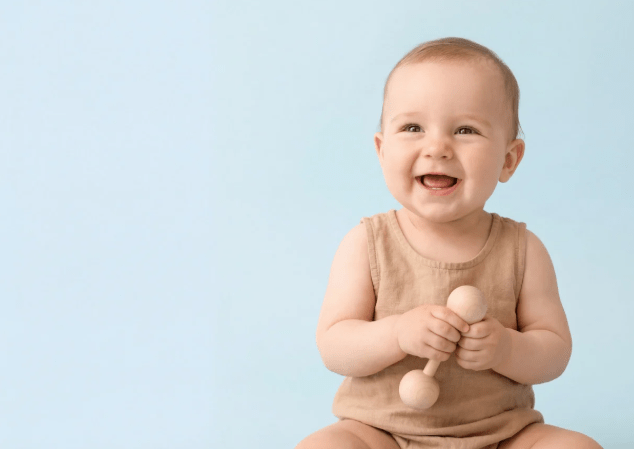
Baby hair texture changes mainly due to natural development and genetics. At birth, your baby’s hair is often very soft and fine, sometimes referred to as “newborn hair.” This initial hair is temporary and doesn’t always reflect what their permanent hair will look like.
After birth, hormone levels drop, which can cause the first hair to shed. When new hair grows in, it may have a completely different texture—thicker, curlier, or even a different color. Genetics play the biggest role here. If parents or close family members have curly, wavy, or thick hair, the baby’s hair is likely to follow a similar pattern over time.
In simple terms, your baby’s “true” hair type usually starts showing after the initial shedding phase.
Baby Hair Growth Timeline (Month-by-Month Guide)
Understanding the timeline can help you stay relaxed and know what’s normal at each stage.
0–3 Months: Newborn Hair Phase
During the first few months, babies often have soft, fine hair that may appear uneven. Some babies are born with thick hair, while others have very little.
At this stage:
- Hair may begin to fall out due to hormonal changes
- Bald patches can appear, especially at the back
- Texture is usually soft and silky
This is completely normal and temporary.
3–6 Months: Shedding and Regrowth
This is when many parents notice the biggest changes. The original newborn hair often sheds, and new hair starts growing in.
What to expect:
- Noticeable hair loss or thinning
- New hair may grow in a different texture
- Slight changes in color may appear
For example, straight hair may begin to grow slightly wavy, or fine hair may start becoming thicker.
6–12 Months: Texture Begins to Show
By this stage, your baby’s “real” hair is starting to come in. You’ll begin to see clearer signs of their natural texture.
Common changes include:
- Hair becoming thicker and stronger
- Waves or curls starting to form
- More even hair growth across the scalp
This is often when parents first notice if their baby will have curly, wavy, or straight hair.
1–2 Years: True Hair Pattern Develops
Between one and two years, your child’s hair texture becomes more defined.
At this stage:
- Hair growth becomes more consistent
- Texture (curly, wavy, straight) is more visible
- Hair may become easier or harder to manage depending on type
However, changes can still happen beyond this age.
2–5 Years: Final Texture Settles
Although major changes happen in the first year, hair texture can continue evolving during toddler years.
You may notice:
- Curls becoming tighter or looser
- Hair becoming thicker over time
- More noticeable resemblance to family hair types
By around age 3 to 5, most children have a stable hair texture.
Signs Your Baby’s Hair Texture Is Changing
It’s not always obvious at first, but there are a few signs that indicate your baby’s hair is transitioning.
Look for:
- New hair growing in a different direction
- Changes from smooth to slightly rough texture
- Appearance of waves or curls
- Hair becoming denser or fuller
These are all normal signs that your baby’s hair is developing.
Does Baby Hair Color Change Too?
Yes, along with texture, your baby’s hair color can also change. Many babies are born with dark hair that becomes lighter—or light hair that turns darker over time.
This happens because melanin (the pigment responsible for hair color) develops gradually. Just like texture, the final hair color may not be fully visible until toddler years.
Factors That Influence Hair Texture
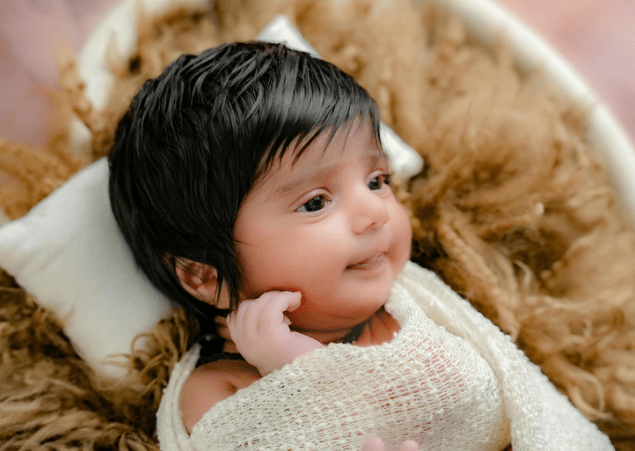
Several factors determine how your baby’s hair will look as they grow.
Genetics
The most important factor is family genetics. Your baby’s hair texture is often a mix of both parents’ traits.
Hair Growth Cycle
Babies go through natural hair cycles where hair falls out and regrows. Each new cycle can bring changes in thickness and texture.
Nutrition
As your baby starts eating solid foods, proper nutrition supports healthy hair growth. Nutrients like iron, vitamins, and proteins play a role.
Scalp Health
A healthy scalp encourages better hair growth. Conditions like cradle cap may temporarily affect hair appearance but usually don’t impact long-term texture.
How to Care for Changing Baby Hair
As your baby’s hair changes, gentle care is essential to keep it healthy.
- Use a mild baby shampoo 2–3 times a week
- Avoid harsh products or adult shampoos
- Use a soft brush or wide-tooth comb
- Keep hair moisturized if it becomes dry or curly
- Avoid tight hairstyles that pull on the scalp
The goal is to support natural growth without interfering with the process.
When Should You Be Concerned?
In most cases, changes in hair texture are completely normal. However, you should consult a pediatrician if:
- Hair isn’t growing back after significant loss
- There are red, irritated, or infected areas on the scalp
- Hair loss appears in unusual patches
- Your baby shows other signs of health concerns
These cases are rare but worth checking.
Final Thoughts
Baby hair texture doesn’t stay the same—and that’s perfectly normal. From soft newborn strands to thicker, more defined hair, your baby’s hair goes through several natural changes in the first few years of life.
Most noticeable texture changes begin between 3 to 12 months, with more defined patterns appearing by 1 to 2 years. By toddler age, your child’s natural hair type becomes clearer, though small changes can still occur.
Patience is key. With gentle care and time, your baby’s unique hair texture will fully develop—often in ways that surprise and delight you.
FAQs
1. At what age does baby hair texture change?
Most changes begin around 3 to 6 months and become more noticeable by 1 year.
2. Can straight baby hair turn curly?
Yes, it’s very common. Many babies are born with straight hair that later becomes wavy or curly.
3. Does shaving a baby’s head change hair texture?
No, shaving does not affect hair texture or thickness. These are determined by genetics.
4. Why did my baby’s hair become thicker?
As baby hair sheds and regrows, it often comes back thicker and stronger.
5. When will I know my baby’s final hair type?
You’ll get a good idea by age 1–2, but full texture may settle by age 3–5.